Rwanda’s Remarkable Comeback Story

In the far eastern corner of Rwanda, where rolling savannahs stretch toward the Tanzanian border and shimmering lakes reflect endless African skies, lies one of the continent’s most inspiring conservation success stories  Akagera National Park. Often overshadowed by Rwanda’s famous mountain gorillas of Volcanoes National Park, Akagera tells a different but equally powerful story: one of resilience, restoration, and revival.

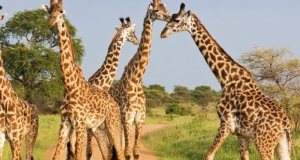
Akagera National Park is Rwanda’s only savannah national park and the largest protected area in the country, covering approximately 1,122 square kilometers. Characterized by open plains, woodlands, wetlands, and a chain of scenic lakes, Akagera offers a classic African safari experience  complete with lions, elephants, rhinos, giraffes, zebras, and a rich diversity of birdlife.

Yet Akagera’s true magic lies not only in its wildlife, but in its journey. From near destruction in the late 20th century to its rebirth as a thriving Big Five destination, Akagera stands as a global example of how conservation, government commitment, and community partnership can restore nature against overwhelming odds.
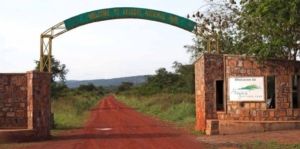
Akagera National Park

A Landscape Shaped by Water and Savannah

Akagera National Park takes its name from the Akagera River, which flows along its eastern boundary, feeding a series of interconnected lakes including Lake Ihema, Lake Rwanyakazinga, Lake Shakani, and several others. This extensive wetland system creates one of the most ecologically diverse landscapes in East Africa.

Unlike Rwanda’s mountainous western regions, Akagera is predominantly low-lying, with gently undulating savannahs, acacia woodlands, papyrus swamps, and open grasslands. The park’s altitude ranges between 1,280 and 1,825 meters, creating a warm climate ideal for grazing animals and predators alike.

This varied terrain supports an extraordinary array of wildlife. Herds of plains game roam the open grasslands, while hippos and crocodiles dominate the lakes. Woodlands provide refuge for shy antelopes, and the wetlands attract hundreds of bird species, making Akagera a paradise for both safari enthusiasts and birdwatchers.

A Turbulent Past: From Abundance to Decline

Akagera was officially gazetted as a national park in 1934, during the Belgian colonial era, to protect wildlife populations that once thrived across eastern Rwanda. For decades, the park supported healthy populations of large mammals, including elephants, lions, leopards, and black rhinos.

However, the latter half of the 20th century brought devastating challenges. Following Rwanda’s tragic 1994 Genocide against the Tutsi, thousands of returning refugees settled in and around the park. Large portions of Akagera were cleared for agriculture and livestock grazing, leading to severe habitat loss.

By the late 1990s, nearly two-thirds of the park’s original area had been lost, wildlife populations had collapsed, and key species such as lions and rhinos were completely wiped out. Poaching, human-wildlife conflict, and lack of resources pushed Akagera to the brink of ecological collapse.

At one point, the future of the park looked uncertain. Many conservationists feared Akagera would disappear entirely.

The Turning Point: A Conservation Partnership

Akagera’s revival began in 2010, when the Rwandan government, through the Rwanda Development Board (RDB), entered into a landmark public-private partnership with African Parks, a non-profit conservation organization known for restoring and managing protected areas across Africa.

This partnership marked a turning point. With professional park management, international funding, and strong government backing, African Parks implemented a comprehensive restoration strategy focused on:

  • Law enforcement and anti-poaching
  • Infrastructure development
  • Wildlife reintroductions
  • Community engagement
  • Sustainable tourism development

One of the first major steps was the construction of a 120-kilometer electric perimeter fence, which dramatically reduced human-wildlife conflict and illegal grazing. This allowed wildlife populations to recover safely within the park’s boundaries.

Anti-poaching units were trained and equipped, ranger patrols intensified, and modern monitoring systems were introduced. Slowly but steadily, Akagera began to heal.
Akagera National Park

The Return of the Big Five

Perhaps the most dramatic chapter in Akagera’s recovery has been the reintroduction of iconic species that had long vanished from the park.

Lions Return

In 2015, seven lions were translocated from South Africa and released into Akagera. This historic reintroduction restored the park’s apex predator after nearly two decades of absence. In subsequent years, additional lions were introduced to strengthen genetic diversity.

Today, Akagera supports a growing lion population, and sightings have become increasingly common during game drives  a powerful symbol of the park’s ecological restoration.

Rhinos Reintroduced

In 2017, 18 eastern black rhinos were introduced from South Africa, followed by an additional five in 2019. This bold move returned one of Africa’s most endangered species to Rwanda after more than 10 years of absence.

With intensive protection and monitoring, Akagera has become a secure sanctuary for rhinos, further completing the park’s transformation into a Big Five destination.

Thriving Herbivores and Predators

Alongside lions and rhinos, Akagera is home to:

  • African elephants
  • Cape buffalo
  • Leopards
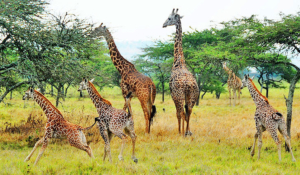
  • Masai giraffes
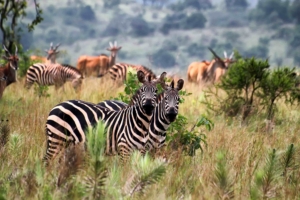
  • Plains zebras
  • Topi, impala, waterbuck, eland, and bushbuck

The balance between predators and prey has gradually been restored, creating a functioning ecosystem that continues to evolve naturally.

A Safari Experience Like No Other

Akagera offers a distinctly different safari experience from Rwanda’s western parks. Here, visitors encounter wide-open landscapes, dramatic sunsets, and classic game viewing reminiscent of East Africa’s great savannah reserves  yet without the crowds.

Game Drives

Game drives in Akagera are conducted on well-maintained tracks that traverse grasslands, woodlands, and lake shores. Early morning and late afternoon drives offer the best chances to spot predators, while midday drives showcase grazing herbivores and birdlife.

Because Akagera is less congested than many famous safari parks, sightings often feel intimate and unhurried. It’s not uncommon to enjoy wildlife encounters without another vehicle in sight.

Boat Safaris on Lake Ihema

One of Akagera’s highlights is the boat safari on Lake Ihema, Rwanda’s second-largest lake. Gliding silently across the water, visitors encounter pods of hippos, basking crocodiles, and countless water birds including African fish eagles, kingfishers, herons, and jacanas.

Boat safaris offer a unique perspective on the park’s ecosystem and are especially rewarding for photographers and bird enthusiasts.

Walking Safaris and Night Drives

Akagera also offers guided walking safaris, allowing visitors to explore the bush on foot with armed rangers  a thrilling way to connect with nature and learn about tracks, plants, and smaller wildlife.

Night drives, conducted after sunset, reveal nocturnal species such as bush babies, genets, hyenas, and elusive leopards, adding another dimension to the safari experience.

A Birder’s Paradise

With over 520 recorded bird species, Akagera National Park is one of the finest birding destinations in East Africa. The park’s wetlands, savannahs, and woodlands support both resident and migratory birds.

Notable species include:

  • Shoebill stork (rare but possible)
  • Papyrus gonolek
  • African fish eagle
  • Saddle-billed stork
  • Grey crowned crane (Rwanda’s national bird)
  • Martial eagle

Whether you are a seasoned birder or a casual nature lover, Akagera’s birdlife adds color, sound, and movement to every safari.

Community Involvement and Shared Benefits

A cornerstone of Akagera’s success has been the involvement of surrounding communities. Conservation efforts were designed not to exclude people, but to integrate their needs and livelihoods into the park’s future.

Local communities benefit through:

  • Employment opportunities (rangers, guides, lodge staff)
  • Revenue sharing from tourism
  • Support for schools, health centers, and clean water projects
  • Livestock compensation schemes to reduce conflict

By linking conservation success directly to community well-being, Akagera has fostered local support and reduced illegal activities. The park is now seen not as a threat, but as a valuable asset.
Akagera National Park

Sustainable Tourism and Accommodation

Akagera’s tourism model emphasizes low-impact, high-value experiences. Visitor numbers are managed carefully to protect wildlife and maintain exclusivity.

Accommodation options range from luxury lodges overlooking lakes to comfortable mid-range camps and budget-friendly camping facilities. All lodges operate with sustainability principles, minimizing environmental impact while supporting local economies.

This approach ensures that tourism revenue directly funds conservation, creating a positive cycle that benefits both wildlife and people.

Best Time to Visit Akagera National Park

Akagera can be visited year-round, but the best wildlife viewing is generally during the dry seasons:

  • June to September
  • December to February

During these months, animals congregate around water sources, and roads are easier to navigate. The wet seasons, however, bring lush landscapes and excellent birding opportunities, particularly for migratory species.

Why Akagera Matters

Akagera National Park is more than a safari destination  it is a symbol of hope. It proves that even landscapes severely damaged by conflict and human pressure can be restored with vision, commitment, and collaboration.

In a world where wildlife habitats are shrinking and biodiversity loss accelerates, Akagera stands as a reminder that conservation works when it is inclusive, science-based, and community-driven.

For Rwanda, Akagera diversifies the country’s tourism offerings beyond gorillas, strengthening the national economy while protecting natural heritage. For visitors, it offers an authentic, uncrowded, and deeply rewarding safari experience.
Akagera National Park

Final Reflections

Standing on a hill at sunset in Akagera National Park, watching giraffes move gracefully across the plains as elephants silhouette against a burning sky, it’s hard to imagine that this place was once on the brink of disappearance.

Today, Akagera is alive again, with roaring lions, splashing hippos, soaring birds, and the quiet determination of rangers who guard its future. It is a landscape reborn, a conservation triumph written not in theory but in thriving ecosystems and shared success.

To visit Akagera is to witness nature’s resilience firsthand. To support it is to invest in a future where wildlife and people flourish together. And to remember its story is to believe that even in the face of immense loss, recovery is possible.
 

Nestled among the emerald slopes of the Virunga Mountains, where mist clings to moss-covered trees and the air carries whispers of ancient forests, lives one of Earth’s most extraordinary treasures, the mountain gorillas of Volcanoes National Park. These gentle giants, with soulful eyes and immense strength, have become icons of conservation, symbols of resilience, and ambassadors for a future where humans and wildlife can coexist.

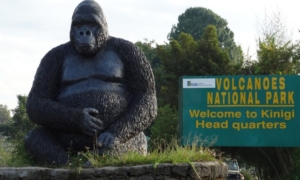
Volcanoes National Park, in northwest Rwanda, stands as one of Africa’s most compelling wildlife destinations. Founded in 1925, it is one of the oldest parks on the continent and a sanctuary for mountain gorillas, a critically endangered species once teetering on the brink of extinction. Today, thanks to tireless conservation efforts and community partnerships, the park offers rare, life-changing encounters that deepen our appreciation for nature’s wonders.

Gorillas of Volcanoes National Park

Understanding the Mountain Gorillas

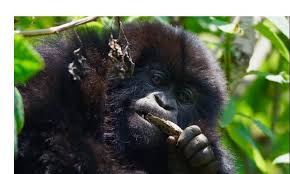
Mountain gorillas are among the largest primates on Earth. Adults can weigh up to 200 kilograms (440 pounds) and stand as tall as 1.8 meters (5′11″) when upright. Despite their massive size, gorillas are predominantly herbivores, feeding on leaves, stems, fruit, and bamboo shoots that the dense Virunga forests provide.

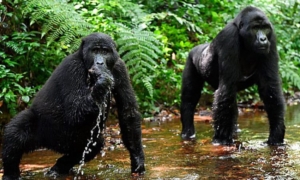
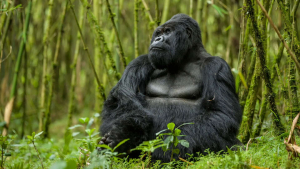
What sets mountain gorillas apart is not just their size but their intricate social structure and intelligence. Gorilla groups, known as troops, are led by a dominant silverback, a mature male whose back is streaked with silver hair. The silverback protects, guides, and nurtures the group, forming close bonds with each member. These family units move slowly through the forest, feeding, resting, and playfully interacting in ways that often mirror human behavior.

Mountain gorillas share about 98.4% of their DNA with humans, making them our closest living relatives after chimpanzees and bonobos. This genetic closeness translates into emotional depth, they laugh, play, mourn, and grieve. Observing them is not just a wildlife encounter; it’s a mirror through which we can see ourselves.

Volcanoes National Park: A Sanctuary Within the Clouds

Volcanoes National Park covers approximately 160 square kilometers (62 square miles) of rugged terrain, dominated by five towering volcanoes: Karisimbi, Bisoke, Muhabura, Gahinga, and Sabyinyo. The park’s elevation ranges from 2,400 to over 4,500 meters (7,874–14,764 feet), creating diverse habitats,from dense bamboo forests and fern-laced gullies to grassy moorlands near the peaks.

The high altitude and volcanic soils produce lush vegetation that nourishes gorillas and a host of other species, including golden monkeys, buffalo, various bird species, and rare butterflies. Misty mornings and dramatic cloud formations give the park a mystical ambiance, one that has inspired explorers, scientists, and conservationists for decades.

Yet, this serene landscape masks a turbulent past. For years, civil conflict in the region threatened both wildlife and local communities. Gorillas suffered from habitat destruction, poaching, and disease. In the late 20th century, their numbers plummeted to around 250 individuals,  a perilous point that prompted urgent global conservation intervention.

The Turning Tide: Conservation Success Story

The resurgence of mountain gorillas in Rwanda is one of conservation’s most profound success stories. Spearheaded by the Rwanda Development Board in partnership with international organizations like the Dian Fossey Gorilla Fund and the World Wildlife Fund (WWF), efforts focused on habitat protection, anti-poaching patrols, veterinary care, scientific monitoring, and community engagement.

A key turning point was the implementation of gorilla habituation programs, a process by which wild gorillas become accustomed to human presence. This allows researchers and eco-tourists to observe them at close quarters without disturbing their natural behavior. While long and meticulous, habituation has been vital in balancing tourism with animal welfare.

In recent years, the population of mountain gorillas has climbed steadily, surpassing 1,000 individuals across Rwanda, Uganda, and the Democratic Republic of Congo. The success of Volcanoes National Park, alongside neighboring Mgahinga Gorilla National Park and Uganda’s Bwindi Impenetrable National Park, demonstrates that committed stewardship and community partnership can reverse even the gravest declines.

Still, the species remains critically endangered, vulnerable to habitat loss, disease, climate change, and human encroachment. Tourism revenue plays an essential role in sustaining protection efforts, making ethical gorilla trekking both a privilege and a powerful conservation tool.

Gorillas of Volcanoes National Park

Gorilla Trekking: A Journey Into the Heart of the Forest

For many visitors, gorilla trekking in Volcanoes National Park is the ultimate wildlife pilgrimage, a chance to step into the world of these magnificent primates and witness their lives up close.

The Trek Begins

Each day before dawn, small groups of trekkers, led by experienced guides and trackers, gather at the park headquarters. After a safety briefing and permit verification, teams set off into the forest, sometimes through steep slopes, dense undergrowth, or slippery trails. Treks can last anywhere from 30 minutes to 6 hours, depending on where the gorilla families are located that day.

Trackers, who radio updates from the forest, use signs like fresh footprints, broken stems, and lingering smells to pinpoint gorilla movements. Porters are available to help carry luggage or assist trekkers on challenging terrain, a welcome support in the mountainous environment.

Despite the physical challenge, anticipation builds with every step. The forest feels alive: birds call from the canopy, insects hum, and sunlight filters through leaves in shifting patterns. Then, suddenly, through a break in the foliage, you see them, gorillas moving quietly but deliberately, barely noticing your presence.

The Magical Encounter

Once the gorillas are found, visitors are allowed one precious hour with the group. This time is strictly regulated to minimize stress on the animals, but even so, 60 minutes can feel like a lifetime of wonder.

Imagine watching a silverback sitting beneath a towering tree, gently tearing vegetation with powerful hands, while curious juveniles chase each other through ferns. Perhaps a young gorilla will approach within meters of you, inspecting your boots or sniffing your trekking pole, its dark, expressive eyes radiating innocent curiosity.

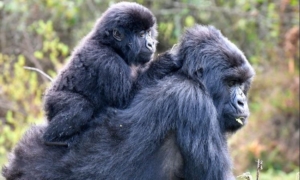
There are moments of sheer tenderness too, a mother cradling her infant close, comforting it with soft grunts and gentle touches. The depth of family bonds is unmistakable, as is the gorillas’ capacity for emotion and connection.

Visitors are reminded constantly: no flash photography, stay at least 7 meters (23 feet) away, and respect the gorillas’ space. Guides will gently enforce these rules, ensuring an ethical and safe encounter for both humans and primates.

Beyond the Trek: Cultural Connections

The experience of Volcanoes National Park is not limited to the forest alone. Surrounding the park are vibrant communities, Hutu, Tutsi, and Batwa peoples, whose lives are intertwined with the land and its wildlife.

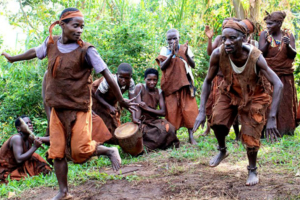
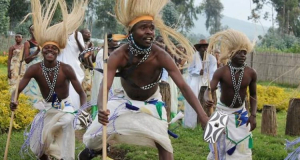
The Batwa, Indigenous forest dwellers historically dependent on the forest for sustenance and culture, were displaced when national parks were established in the 1950s and ’60s. In recent years, community programs have worked to restore Batwa heritage through cultural centers, music and dance performances, and participatory tourism initiatives that honor their deep knowledge of the forest.

Rwanda’s commitment to community involvement has helped channel tourism benefits back into local schools, health clinics, road improvements, and micro-enterprises. This holistic approach recognizes that conservation thrives not in isolation but through shared prosperity and respect between people and nature.

Visitors can engage with community projects, learn traditional crafts, and participate in village walks that offer insights into local farming, customs, and daily life. These experiences enrich the journey, reminding travelers that the story of gorillas is also the story of the people who live alongside them.

Gorillas of Volcanoes National Park

Practical Tips for Travelers

If you’re planning a gorilla trekking adventure in Volcanoes National Park, here are practical tips to make your journey safe, respectful, and unforgettable:

  1. Book Permits Early

Gorilla trekking permits are limited and highly sought after. Book well in advance, especially during peak seasons (June–September and December–February), to secure your spot. Permits are issued by the Rwanda Development Board and include the guided trek.

  1. Physical Preparedness

Trekking in steep, muddy terrain requires good physical fitness. Lightweight trekking poles, sturdy hiking boots, long-sleeved shirts, and rain gear are essential. Porters are available to support hikers who need assistance.

  1. Health Precautions

Mountain gorillas are susceptible to human illnesses. Visitors experiencing any sickness (e.g., coughs, fever) should postpone their trek. Maintain good hygiene, avoid touching surfaces unnecessarily, and follow your guide’s health safety advice.

  1. Respect Wildlife Protocols

Keep your distance, avoid direct eye contact that can be perceived as a threat, and follow the guide’s instructions. Do not offer food or items to gorillas.

  1. Support Local Initiatives

Engage with community-run projects that employ local people and sustain cultural heritage. Choose locally owned lodges, restaurants, and guides to ensure your visit benefits the broader community.

Conservation Challenges Ahead

Despite remarkable gains in gorilla numbers, threats persist:

Habitat Encroachment

As human populations grow, land for agriculture and settlement pushes closer to forest boundaries, fragmenting gorilla habitat. Persistent efforts are needed to protect and connect forest corridors so that gorilla troops can move freely and safely.

Disease Risk

Disease transmission from humans to gorillas remains a serious concern. Respiratory infections are particularly dangerous, prompting strict guidelines for visitor health and sanitation. Continued research and veterinary protocols are vital.

Climate Change

Shifts in rainfall patterns and temperature can alter vegetation and water sources. Gorillas, adapted to a narrow ecological range, may struggle with rapid environmental changes. Climate resilience strategies must become part of long-term conservation planning.

A Legacy of Hope

The tale of mountain gorillas in Volcanoes National Park is one of resilience, compassion, and partnership. From the dedication of Dian Fossey, whose legacy still echoes through the bamboo groves, to the committed park rangers who patrol the forests today, this journey reflects the potential of human goodwill.

For visitors, a trek is more than a checklist item, it’s a moment of communion with a species that shares our planet and much of our genetic heritage. It teaches humility, wonder, and respect for life in all its forms.

And for the world, the gorillas of Volcanoes National Park stand as a beacon of what is possible when communities, governments, and global citizens work together to protect what is precious.

Gorillas of Volcanoes National Park

Final Thoughts

There are places in the world that change us simply by existing. Volcanoes National Park and its mountain gorillas are among them. In the silent gaze of a silverback, in the playful tumble of young gorillas at dawn, in the mist-shrouded trails that lead you into forgotten forests , you find a story of survival, hope, and connection.

When the trek ends and you return to the rhythm of everyday life, the memory remains etched deep within you. It whispers of forests where giants roam, gentle, watchful, and enduring, and invites you to become not just a traveler, but a guardian of the wild.


When you think of Afrikan safaris, destinations such as Uganda and Kenya often come to mind. But tucked away in the heart of East Afrika lies a hidden gem: Rwanda  a land of a thousand hills, lush rain-forest, shimmering lakes and endangered mountain gorillas. With its compact size, rich biodiversity and warm hospitality, Rwanda offers a safari experience unlike any other. Whether you’re excited about gorilla trekking, game drives, primate tracking or cultural immersion, a safari in Rwanda should be on your travel wish-list.

At GTD Afrika Tours and Travels, we specialise in bespoke safaris across Uganda, Rwanda and Kenya  and in this article, we will guide you through everything you need to know to plan a successful safari in Rwanda: the top destinations, best times to travel, logistics, conservation ethos, sample itineraries, budgeting, and insider tips.

Rwanda Safaris

Let’s go deeper into why Rwanda is emerging as one of Africa’s top safari destinations.

Why Choose Rwanda for Your Safari?

Compact And  Accessible

Unlike some vast safari countries where transfers can cost an entire day, Rwanda’s size makes it easy to combine multiple parks in one trip. According to one safari-guide overview, road transfers such as from the capital Kigali to Volcanoes National Park take roughly 2.5 hours, while to Nyungwe Forest National Park 5-6 hours  manageable and scenic.

Unique Wildlife Experiences

Rwanda offers some of the world’s most iconic wildlife encounters:

Mountain gorilla trekking in Volcanoes National Park.

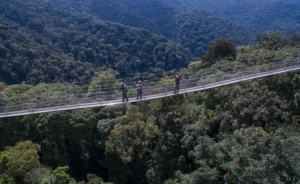
Chimpanzee tracking and canopy walks in Nyungwe Forest.

“Big Five” style game drives (elephants, lions, buffaloes, rhinos, leopards) in Akagera National Park where they have recently reintroduced black and white rhinos.

Safety And  Infrastructure

Rwanda has earned a reputation for safety, cleanliness, and tourist-friendly infrastructure. Roads in general are among the best in East Afrika.

Conservation And Low-impact Tourism

Rwanda emphasises sustainable tourism, especially around its gorilla permits and the protection of its natural habitats. When you travel here, you are supporting ongoing conservation efforts  something many travellers appreciate deeply.

A Rich Cultural Landscape

Beyond wildlife, Rwanda offers a compelling story: the transformation after the 1994 genocide, a vibrant capital in Kigali, friendly communities, rich traditions and opportunities to engage responsibly with local life.

Key Safari Destinations in Rwanda

Here is a breakdown of Rwanda’s top safari and wildlife destinations. You will want to pick 2-3 of these for a well-rounded itinerary.

Volcanoes National Park

Located in the north-west of Rwanda, Volcanoes National Park is the place for mountain gorilla trekking  one of Afrika’s most sought-after wildlife experiences. Home to the famous gorilla families once studied by Dian Fossey, the park also offers golden monkey tracking, hiking on volcano slopes, and cultural visits to local villages.

Rwanda Safaris

Highlights:

Trekking to see the endangered mountain gorillas in their natural habitat.

Visits to the  Karisoke Research Centre.

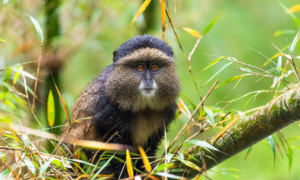
Golden monkey adventures.

Volcano hikes and stunning landscapes.

Notes: The gorilla trekking permit is $1500 as of 2025 and must be booked well in advance.

The trails can be tough: steep, muddy, sometimes slippery. Good fitness and sturdy boots are advisable.

Nyungwe Forest National Park

In the south-west of Rwanda lies Nyungwe, one of Afrika’s most pristine montane rainforests. It offers chimpanzee tracking, a famed canopy walk that elevates you high above the trees, bird-watching, and rich Hima-culture experiences.

Highlights:

Chimp trekking and primate spotting (13 + primate species).

Canopy walk bridge for spectacular forest views.

Birding , Nyungwe hosts hundreds of bird species.

Hiking through rainforest, waterfalls and tea-plantations.

Akagera National Park

On the eastern border of Rwanda, Akagera offers savannah, wetlands and lakes. It’s becoming a classic safari park with big game, reintroduced rhinos and optional boat safaris.

Highlights:

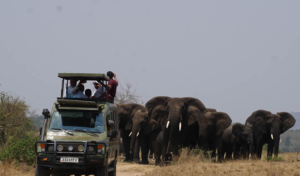
Game drives for elephants, buffalo, lions and rhinos.

Boat safari on Lake Ihema for water-based wildlife and birdlife.

Gorgeous, less-crowded safari setting compared to some East Afrikan parks.

Opportunity to combine with gorilla trekking for maximum diversity.

Lake Kivu And  Western Region

While not a “national park safari” in the classic sense, Lake Kivu and the surrounding western lakeside region offer relaxing counterpart days  ideal after the intensity of trekking or game drives. Think boat rides, island hop, lakeside lodges and coffee tours.

Highlights:

Chill or extend your trip with lakeside tranquillity.

Boat rides, kayaking and scenic views.

Coffee-plantation visits and cultural village tours.

Kigali And  Culture

Begin (or end) your journey with a stay in Kigali. It’s a clean, safe capital with engaging cultural experiences.

Highlights:

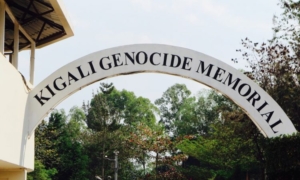
Visit the Kigali Genocide Memorial for a moving and educational experience.

Explore local art, street food and markets in vibrant neighbourhoods such as Nyamirambo.

Use Kigali as the logistical hub for entering and exiting Rwanda.

Best Time to Visit Rwanda

Timing is important for both safari success and value.

Dry Seasons (best for trekking and  drives)

June to September (long dry season)  good weather, optimum for hiking trails.

December to February (short dry season)  easier conditions, still good for trekking.

March to May and October to November. Trails and roads may be muddier, but landscapes are lush, fewer crowds, and some lower prices.

Note: In wetter months, routes in remote areas can be more challenging.

Budget / value tip: Travel slightly off-peak (wet season) to get lower lodge rates and fewer tourists  but accept the trade-off of potential rain and tougher terrain.

Planning Your Safari: Logistics And Tips

Entry Requirements and  Visa

Your passport should be valid for at least six months beyond arrival.

Rwanda offers e-Visas and visas on arrival for many nationalities.

Depending on your home country and route, you may need a yellow fever vaccination certificate and should check health requirements.

Health And Safety

Malaria risk exists in Rwanda  anti-malaria medication, insect repellent and long-sleeves/trousers recommended.

Tap water may not always be safe  bottled water or purified water is advisable.

Rwanda is one of the safer destinations in East Afrika, but standard travel precautions still apply: avoid isolated areas at night, keep valuables discreet etc.

Road travel: While major roads are good, after-dark driving can be risky in rural areas with poor lighting.

Packing wise: sturdy hiking boots, rain jacket, warm layer for early mornings/evenings are essential.

Getting Around And  Transfers

You will likely arrive via Kigali International Airport (KGL).

Road transfers between major parks are reasonable thanks to good roads. For example, Kigali to  Volcanoes 2.5 hours.

Self-drive is an option for the experienced traveller: ensure you have a suitable 4×4 (especially if venturing off paved roads).

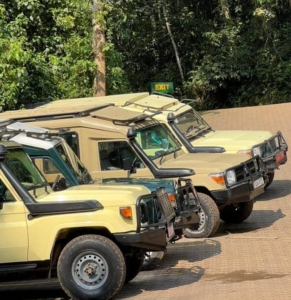
Many safari tours use 4×4 vehicles with pop-up roofs for game drives or guided trekking on foot.

Internal flights/helicopter transfers are available but less common  most choose scenic drives.

Permits And  Booking Ahead

Gorilla trekking permits are limited and high-demand. Reserve well in advance.

Some trekking and park activities may have age restrictions or fitness requirements  always check ahead.

Book lodges and transfers with reputable partners. Your tour operator should coordinate park fees, guides, vehicles, accommodations and permits seamlessly.

Accommodation Options

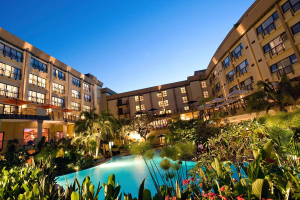
Rwanda offers range from budget guesthouses to ultra-luxury lodges. The standard of service is high.

In national-park zones expect premium pricing given conservation focus, exclusivity and limited numbers.

For budget travellers: staying just outside park gates and using local transport may save money.

Cost/Budget Guide

Here’s an approximate guideline (per person per night, including accommodation, meals, game drives and transfers) for Rwanda safaris:

Mid-range (4★); Low season USD 600-900. High season USD 900-1,200.

Luxury lodges: Low season USD 1,200-1,800; High season USD 1,800-2,500+

Gorilla trek permit (non-resident): USD 1,500 per person (must be booked ahead).

Tipping And  Local Etiquette

Tipping is not mandatory but appreciated. Guides, porters, lodge staff: USD 10-25 per day depending on service.

Dress modestly, particularly in rural/cultural settings. Rwanda is conservative in some regions.

Avoid using non-biodegradable plastic bags  Rwanda has a strict ban on single-use plastic bags.

Ask permission before photographing local people and respect local customs.

Packing Checklist

Sturdy hiking boots and long trousers for trekking (especially gorilla treks through bamboo/undergrowth).

Long-sleeved shirt for early morning chill and mosquito protection.

Rain jacket/poncho especially if travelling in green season.

Sun protection (hat, sunscreen), binoculars, good-quality camera, extra batteries/memory cards.

Reusable water bottle (many lodges can refill).

Small cash in USD/Rwandan Francs for tips and out-of-town purchases.

Sample Itineraries

Here are three sample itineraries for different travel styles: short, moderate and extended.

5-Day Essential Rwanda Safari

Day 1: Arrive Kigali, city tour, stay overnight.

Day 2: Transfer to Volcanoes National Park, lodge near gorilla park.

Day 3: Gorilla trekking in Volcanoes National Park, afternoon golden monkey or village visit.

Day 4: Travel to Lake Kivu relax, stay lakeside.

Day 5: Return to Kigali, depart.

8-Day Classic Wildlife and Gorilla Safari

Day 1: Arrive Kigali, city and culture.

Day 2-3: Volcanoes National Park , gorilla trek , golden monkey / village/forest walk.

Day 4: Transfer to Nyungwe Forest: canopy walk, chimpanzees.

Day 5: Nyungwe deeper rainforest hike, tea-plantation visit.

Day 6: Transfer to Lake Kivu , relax by The Lake, boat ride or coffee tour.

Day 7: Akagera National Park , game drive, boat safari, rhino tracking.

Day 8: Return to Kigali, final afternoon, depart.

12-Day Premium Explorer (Rwanda and  Cross-Border)

Days 1-2: Kigali, cultural immersion.

Days 3-4: Volcanoes National Park gorilla trek.

Days 5-6: Nyungwe Forest ,canopy walk, chimpanzees.

Day 7: Lake Kivu , riverside, leisure.

Days 8-9: Akagera National Park ,full game drive experience including boat safari and rhinos.

Days 10-12: Optional extension into neighbouring Uganda (gorillas in Uganda) or onward Kenya safari, then return via Kigali.

Note: GTD Afrika Tours & Travels can assist cross-border custom itineraries into Uganda/Rwanda/Kenya.

Conservation And Responsible Travel

Safari experiences in Rwanda are made possible thanks to strong conservation efforts.

The gorilla trekking permits are tightly controlled to protect the gorillas and their habitat.

Parks such as Volcanoes, Nyungwe and Akagera have rigorous rules  following your guide’s instructions is essential.

Supporting local communities: many lodges and tour operations contribute to village education, health and conservation projects.

Minimising your footprint: travel lightly, respect wildlife , no feeding or disturbing animals, avoid plastic waste and stick to designated trails.

By choosing Rwanda you are choosing a destination where tourism is aligned with long-term nature and community well-being.

What to Expect: Wildlife, Flora And Terrain

Mountain Gorillas And  Primates

The highlight for many visitors: mountain gorilla families in Volcanoes National Park. Tracking these magnificent animals through misty bamboo forest is a privileged experience.

In Nyungwe Forest you will find chimpanzees, colobus monkeys and other primates living in dense canopy  a different kind of safari, but equally thrilling.

Game Drives And Savanna Style Safari

At Akagera National Park you will experience more open terrain, classic safari game drives, boat excursions and rhinos a nice contrast to the rainforest trekking.

Landscapes And Scenery

Rwanda’s nickname: “Land of a Thousand Hills” Rolling green hills, tea-plantations, volcanoes, lakes and rainforest all feature. The unique topography means you will often be above or below cloud-cover, with dramatic vistas.

Birdlife And Nature Lovers

For the bird-enthusiast, Rwanda delivers; Nyungwe alone hosts hundreds of species. Boating on Lake Ihema adds water-bird possibilities.

Costs, Budgeting And  Value-Tips

Rwanda safaris are often seen as “premium” compared to some other African safari destinations, but they deliver exceptional value when you consider the quality, uniqueness and logistics.

Here are some tips to get better value:

Travel in the green season (March-May, October/November) for potentially lower rates.

Combine experiences for example gorilla trekking , game drives , relaxation to make the most of travel time.

Book your gorilla permit as early as possible.

Stay outside park-gates or mix lodge types (mid-range plus luxury) to balance cost.

Choose local guides/tour operators who know the country intimately  GTD Afrika Tours & Travels offers such expertise.

Pay attention to tipping, extra fees, transport logistics  confirm everything in advance.

Practical Travel And Safari Tips

Fit And Health

Gorilla treks can be physically demanding  climbing slopes, traversing muddy/bamboo terrain, sometimes high altitude. Ensure you’re fit enough and carry the right gear.

Don’t forget travel insurance that covers trekking, evacuation, medical issues.

Safety Behaviour

Always follow your guide’s instructions  especially in parks; no going off-trail, no getting too close to wildlife.

Secure valuables, keep copies of passport, travel documents safe.

Avoid driving at night outside major highways  roads may be poorly lit, pedestrians or animals may appear.

Cultural Respect

Dress modestly, particularly in rural/cultural areas.

Always ask permission before taking photos of people.

Learn a few basic greetings in Kinyarwanda  locals really appreciate it.

Avoid discussing politics or genocide in casual settings unless locals initiate it remains a sensitive topic.

Technology And Connectivity

Purchase a local SIM card for better connectivity and local rates.

In remote lodges expect some signal limitations.

Bring adequate camera gear and backups  some lodges offer limited charging or rentals.

Sustainable Travel

Respect the plastic-ban; avoid single-use plastic bags.

Stay on trails, don’t disturb flora/fauna for photos.

Support local community-run lodges, craft markets and guides.

What Makes a Rwanda Safari Different from Kenya/Tanzania?

Scale: Rwanda’s parks are smaller and more concentrated less long-drives between highlights.

Primate-focus: Whereas Kenya/Tanzania are big on savannah and migrations, Rwanda is exceptional for gorillas and primates.

Luxury and  exclusivity: Because permits are limited and infrastructure well-developed, experiences can be more exclusive.

Less crowded: Fewer huge safari vehicles; more intimate experiences.

Value-added culture and  history: The blend of wildlife , culture , post-genocide transformation story makes Rwanda unique.

Booking with GTD Afrika Tours & Travels

At GTD Afrika Tours & Travels, we design tailored safari experiences across Uganda, Rwanda and Kenya. For Rwanda we will:

Secure your gorilla trekking permit.

Arrange your transport, lodge bookings, local guides and  park entries.

Provide expert local guides with deep knowledge of Rwanda’s wildlife, culture and terrain.

Offer add-on options (Lake Kivu, cultural tours, relaxation days) to balance adventure and downtime.

Help with logistics: pre-trip briefings, packing lists, travel insurance advice.

Support responsible tourism practices: minimize impact, maximize benefit to local communities.

Frequently Asked Questions

Q: Is Rwanda safe for solo travellers?

Yes , Rwanda is considered safer than many neighbouring countries for travellers. As always, exercise common-sense precautions.

Q: How difficult is gorilla trekking?

It can be moderately strenuous: steep slopes, possible muddy paths, several hours walking. Good fitness, appropriate gear and your guide’s support make a big difference.

Q: Can I combine gorilla trekking with classic game drives?

Definitely. A common itinerary: gorilla trek in Volcanoes , game drives in Akagera , chimp tracking in Nyungwe.

Q: How far in advance should I book?

Very early for gorilla permits (often 6-12 months ahead). Lodges and internal transfers also fill up. For the rest of the safari you can book maybe 3-4 months ahead in many cases, but high-season fills fast.

Q: What happens if I can’t walk?

If trekking is too demanding, you may need to select alternatives (e.g., gorilla habituation experiences, less strenuous trails) and consult with your tour operator about suitability.

Q: What’s the currency?

The Rwandan Franc (RWF). Many lodges accept credit cards in major towns, but in rural areas cash is still important.

Q: Should I tip in USD or local currency?

USD is widely accepted for tipping, but local currency is fine too. Check with your lodge or guide.

Conclusion

A safari in Rwanda is more than just viewing wildlife  it is about connection; with nature, with rare creatures like the mountain gorilla, with landscapes that take the breath away, and with a country that has transformed itself into a world-class travel destination. For safari travellers seeking something truly exceptional, Rwanda stands out.

At GTD Afrika Tours & Travels, we are excited to help you craft this experience. Whether you’re visiting for gorilla trekking, rainforest hikes, game drives or cultural immersion  Rwanda offers it all in a uniquely compact and accessible way.

Start planning your Rwanda safari today  and unlock memories that will last a lifetime.

Experience the best of East Africa with GTD Afrika Tours & Travels. Our safari and Incentive trips combine thrilling wildlife adventures with authentic cultural encounters in Uganda, Kenya, and Rwanda. Explore iconic national parks, meet local communities, and create memories that last a lifetime all with a hassle-free, expertly guided experience.

Gorilla

Why Choose GTD Afrika Tours?
At GTD Afrika Tours, we make safari trips simple, safe, and unforgettable:
Experienced guides: English, Spanish ,French and German-speaking safari experts with deep local knowledge.
Tailored itineraries: From gorilla trekking to Maasai village visits, designed for every traveler.
Comfortable travel: 4×4 vehicles, reliable transport, and modern accommodations in every destination.
Cultural immersion: Connect with local communities for a truly authentic East African experience.

Top Safari Destinations

Uganda – Gorilla Trekking and Wildlife Safaris.

Bwindi Impenetrable Forest: Track mountain gorillas with expert guides.
Kidepo Valley National Park: Spot lions, elephants, giraffes, and zebras in a remote savannah setting.
Murchison Falls National Park: Enjoy game drives and boat safaris along the Nile.
Cultural encounters: Visit the Batwa Pygmies and Buganda Kingdom sites in Kampala.

Kenya – Iconic Wildlife and Maasai Culture
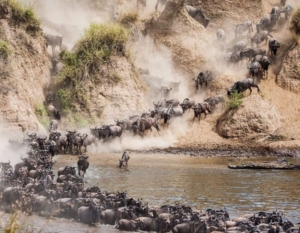
Maasai Mara National Reserve: Witness the Big Five and, depending on the season, the Great Migration.
Amboseli National Park: View large elephant herds with Mount Kilimanjaro as a backdrop.
Samburu Region: Meet the Samburu people, admire their colorful beadwork, and learn about their traditions.
Lamu Island: Explore the Swahili coast, historic architecture, and spice markets for a cultural touch.


Rwanda – Gorilla Trekking and Cultural Experiences.
Volcanoes National Park: Trek to see gorillas and golden monkeys in the lush Virunga Mountains.
Iby’iwacu Cultural Village: Participate in local workshops, basket weaving, traditional cooking, and music.
Kigali City: Visit markets, galleries, and the Kigali Genocide Memorial for a meaningful cultural experience.

Why Safari Trips in East Africa Are Unique
East Africa offers a rare combination of:
Diverse wildlife: From gorillas and chimpanzees to lions, elephants, and rare birds.
Rich cultures: Interact with Maasai, Samburu, Batwa, and other indigenous communities.
Stunning landscapes: Savannah plains, misty mountains, and lush forests.
Unforgettable experiences: Gorilla trekking, cultural village visits, and local cuisine tasting.

Tips for a Successful Safari Trip
Pack wisely: Light clothing, binoculars, sun protection, and comfortable shoes.
Travel in the dry season (June–Sepetember): Best for game viewing and trekking.
Respect wildlife and communities: Maintain safe distances and follow local customs.
Book Your East African Safari Today
With GTD Afrika Tours & Travels, your safari trip in Uganda, Kenya, and Rwanda is easy, safe, and unforgettable. Experience wildlife, culture, and adventure all in one seamless journey.
Contact us now to start planning your East African safari adventure.

Gorilla Trekking, Breathtaking Landscapes and Culture Like No Other!

If you’re dreaming of a unique African safari,where wildlife meets wonder and culture greets you warmly, then Rwanda is the destination you have been searching for.

Often called the “Land of a Thousand Hills,” Rwanda offers more than just stunning landscapes. It is a home to incredible primate encounters, luxurious lodges, vibrant traditions, and some of Africa’s most exclusive safari experiences.

Here we show you why Rwanda should be your next adventure and how we at GTD Afrika Tours can help you make it unforgettable.

Gorilla Trekking in Volcanoes National Park

Imagine standing face to face with a silverback gorilla, watching it’s gentle gaze as it protects it’s family in the lush green forest. This is not a dream, it is gorilla trekking in Rwanda, and it is one of the most powerful wildlife encounters on Earth.

Discover Rwanda

Why it is special;

Rwanda offers easy access to gorilla trekking compared to other regions.

Strict conservation ensures small group sizes and a peaceful, personal experience.

The treks are guided by experienced trackers and rangers who know the families well.

Volcanoes National Park is home to over 10 habituated gorilla families, in the stunning mountain rainforest.

More Than Gorillas; Other Primates and Wildlife!

Nyungwe Forest National Park.

Home to chimpanzees and other primate species

Experience the famous canopy walk above the ancient rainforest

Birdwatchers love it, over 300 species live here!

Akagera National Park

A success story of conservation, now home to the Big Five; lions, elephants, leopards, Rhinos and buffalo

Go on game drives or sunset boat safaris on Lake Ihema

Less crowded than other East African parks , peaceful experiences.

Rwanda’s Warm Culture & Vibrant Traditions.

A safari in Rwanda is not just about wildlife,it is about people, resilience, and joy.

Visit a local village and experience traditional dance, banana beer making, or crafts

Tour the Kigali Genocide Memorial for a powerful, reflective experience.

Explore vibrant Kigali markets, cafes, and art centers.

We include authentic cultural activities in our tours to give you a deeper, more meaningful connection to Rwanda.

Discover Rwanda

Safari Lodges and Luxury in the Wild

Rwanda offers world- class accommodations that blend comfort with nature. Whether you prefer;

A luxury lodge overlooking the volcanoes

A charming eco-camp near gorilla territory

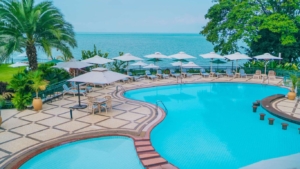
A lake front resort in Kigali or Kivu

We will match your style and budget for the perfect experience.

Sample Itinerary: 6  Day Rwanda Safari Adventure

Day 1: Arrive in Kigali, cultural tour & local dinner

Day 2: Transfer to Volcanoes National Park, evening relaxation

Day 3: Gorilla trekking day! Return to lodge and relax

Day 4: Transfer to Nyungwe Forest , forest walk

Day 5: Chimpanzee tracking and canopy walk

Day 6: Return to Kigali for shopping, farewell lunch, fly out

We offer tailor-made Rwanda safaris to match your dates, budget, and interests.

 Discover Rwanda

Why Book Your Rwanda Safari With Us?

At GTD Afrika Tours and Travels we bring local knowledge, deep passion, and personalized service to every trip.

✔ Licensed and experienced guides

✔ Small group and private tours

✔ Responsible travel that supports local communities

✔ Add-on options; cultural events, music nights, surprise proposals, birthdays, and more!

we create wonderful moments you will never forget.

📩 Book Your Rwanda Safari Now

Do not miss the chance to explore one of Afrika’s most inspiring and rewarding destinations.

For more information;

📞 Contact us today to plan your Rwanda safari

🧡 Rwanda Awaits You!

Come for the gorillas. Stay for the people. Leave with wonderful memories that will last a lifetime.