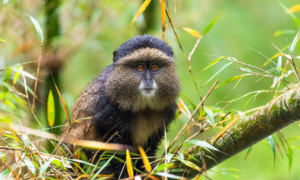
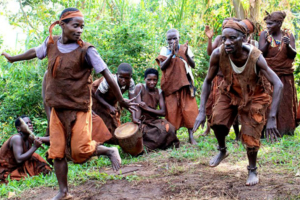
Discover Samburu, Buffalo Springs, and Laikipia.
Kenya is a land of breathtaking landscapes, incredible wildlife, and vibrant cultures. From golden savannahs to winding rivers and rugged mountains, every corner of the country tells a story. For travelers seeking adventure, rare wildlife encounters, and authentic cultural experiences, three destinations stand out above all others: Samburu, Buffalo Springs, and Laikipia.
At GTD Afrika Tours and Travel, we craft unforgettable journeys that allow you to experience the best of Kenya. Whether it’s spotting rare animals, interacting with local communities, or enjoying luxury lodges, your safari will be an experience you carry in your heart forever.
This guide will take you through everything you need to know about these destinations, including wildlife highlights, cultural insights, adventure activities, and a suggested  safari itinerary.

Samburu: Northern Kenya’s Wildlife Paradise
Samburu National Reserve is located in northern Kenya, along the banks of the Ewaso Ng’iro River. It’s a remote, wild, and less-crowded alternative to the famous Masai Mara, offering intimate wildlife encounters and breathtaking scenery.
The Samburu Special Five
Samburu is home to animals that are unique to northern Kenya, known as the “Samburu Special Five”:
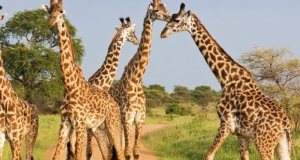
Reticulated Giraffe ,With its intricate geometric patterns, this giraffe is a photographer’s dream.
Grevy’s Zebra ,The largest and rarest zebra species, easily recognized by its thin black-and-white stripes.
Somali Ostrich , This giant bird has a blue-grey neck and thrives in arid conditions.
Gerenuk , Known as the “giraffe-necked antelope,” it can stand on its hind legs to reach high leaves.
Beisa Oryx ,A striking antelope with long, straight horns that thrives in dry landscapes.
Spotting these rare species is a highlight of any safari in Samburu. With GTD Afrika Tours and Travel, expert guides know where to find them safely, ensuring an unforgettable experience.
Other Wildlife in Samburu
Samburu isn’t just about the Special Five. You will also find:
Lions, leopards, and cheetahs
Elephants crossing the river at sunrise
Hyenas and jackals roaming the plains
Over 400 species of birds, including kingfishers, vultures, and eagles
The early morning and late evening game drives are perfect for witnessing wildlife behavior in the golden African light. Every safari moment in Samburu feels like a scene from a wildlife documentary.

Cultural Experiences in Samburu
Samburu is home to the Samburu people, a proud pastoralist community closely related to the Maasai. They have lived here for centuries, tending livestock and maintaining strong cultural traditions.
Visitors can experience:
Village tours to learn about daily life
Traditional dances and ceremonies
Beadwork and handicraft workshops
It’s important to approach cultural visits with respect, as the Samburu have historically faced social and economic discrimination, including limited access to education and healthcare. By visiting responsibly, your safari supports local livelihoods and helps preserve these traditions.

Buffalo Springs: Tranquility Meets Adventure
Just south of Samburu lies Buffalo Springs National Reserve, a hidden gem that combines serenity with abundant wildlife.
Wildlife Highlights
Buffalo Springs is named after its natural springs, which attract a wide variety of animals. Its landscape includes savannahs, acacia forests, and riverine areas. Here, you can spot:
Elephants, buffalos, and hippos
Lions, leopards, and cheetahs
Crocodiles in the river
Colorful birds like the lilac-breasted roller and kingfisher
The reserve is less crowded than other parks, making it perfect for travelers seeking quiet and intimate wildlife experiences.
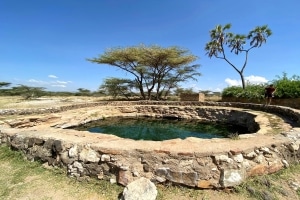
Local Communities Around Buffalo Springs
The areas surrounding Buffalo Springs are home to pastoralist communities who rely on livestock and river water. Some of these communities face economic challenges and discrimination due to their remote location. Tourism offers jobs and economic opportunities, helping improve local livelihoods.
Visitors can;
Learn about traditional lifestyles in village visits
Purchase handmade crafts and jewelry
Hear stories from local guides about their lives and culture
Responsible tourism is key to ensuring that visits benefit both travelers and communities.

Activities in Buffalo Springs
Morning and evening game drives
Walking safaris to explore the springs
Bush sundowners with panoramic views
Night safaris to see nocturnal wildlife
Buffalo Springs is ideal for those who want adventure, peace, and close encounters with nature.

Laikipia: Luxury, Adventure, and Conservation
Laikipia Plateau, west of northern Kenya, offers a different kind of safari. Here, adventure meets luxury, and conservation is at the heart of every experience.
Wildlife and Landscapes
Laikipia is home to private conservancies and wildlife sanctuaries that protect endangered species like:
Elephants and lions
Black rhinos
Leopards and cheetahs
Rare bird species
The landscapes are a mix of rolling hills, rivers, and open plains. With fewer tourists, Laikipia offers exclusive safari adventures in a more private setting.

Adventure Activities
Laikipia is perfect for travelers seeking unique safari experiences:
Horseback safaris through the plains
Camel treks across scenic landscapes
Night drives to spot nocturnal animals
Visits to local communities and conservation projects
These activities combine thrill, learning, and responsible tourism, allowing travelers to engage with both wildlife and local communities.

laikipia- Kenya'' Wild heart

Luxury Lodges and Comfort
Laikipia is known for its luxury lodges and tented camps. Here, you can relax in comfort after a day in the bush, enjoying:
Panoramic views of wildlife from your lodge
Bush dinners under the stars
Private safari drives
Spa and wellness experiences
This combination of adventure and comfort makes Laikipia a top choice for travelers who want both excitement and relaxation.

Kenya wild 's heart

Responsible Tourism and Cultural Awareness
While Kenya is celebrated for its wildlife and welcoming culture, some regions face challenges:
Pastoralist Marginalization: Communities in Samburu and Buffalo Springs sometimes have less access to education and healthcare.

Gender Inequality: In some traditional communities, women may have fewer opportunities, but tourism initiatives help empower them.

Economic Disparities: Tourism revenue is sometimes unevenly distributed, emphasizing the importance of ethical travel.
By traveling responsibly, you can support local communities, promote equality, and protect wildlife. GTD Afrika Tours and Travel ensures that your safari is fun, safe, and meaningful.

12-Day Kenya Safari Itinerary

A 12-day itinerary for travelers who want to experience Samburu, Buffalo Springs, and Laikipia in one unforgettable trip:

Day 1: Arrival in Nairobi
Arrive at Jomo Kenyatta International Airport.
Meet your GTD Afrika Tours guide and transfer to your hotel.
Optional: Visit the Giraffe Centre or Nairobi National Museum.

Day 2: Nairobi to Samburu National Reserve
Drive or fly to Samburu approximately 5–6 hours by road or 1-hour flight.
Afternoon game drive along the Ewaso Ng’iro River.
Evening bush sundowners and dinner at your lodge.

Day 3: Samburu National Reserve
Morning game drive to spot the Samburu Special Five.
Optional walking safari with a local ranger.
Afternoon visit to a Samburu village.

Day 4: Samburu National Reserve
Full-day game drive with picnic lunch.
Focus on photography and rare wildlife sightings.
Evening bush dinner at the lodge.

Day 5: Samburu to Buffalo Springs National Reserve
Short transfer to Buffalo Springs 40–60 minutes.
Afternoon game drive to spot elephants, lions, and cheetahs.
Overnight at Buffalo Springs lodge .

Day 6: Buffalo Springs National Reserve
Morning walking safari along the springs.
Afternoon game drive.
Optional community visit.

Day 7: Buffalo Springs to Laikipia Plateau
Transfer to Laikipia approximately 4–5 hours by road.
Afternoon game drive in a private conservancy.
Dinner at a luxury lodge.

Day 8: Laikipia Plateau ,Wildlife and Adventure
Horseback safari or camel trek across the plains.
Afternoon visit to a rhino sanctuary or conservation project.
Evening sundowners.

Day 9: Laikipia Plateau , Culture and Conservation
Morning safari to track wildlife.
Afternoon visit to a local community project.
Optional guided nature walk.

Day 10: Laikipia Plateau ,Leisure and Luxury
Optional hot air balloon safari or morning game drive.
Afternoon relaxation at your lodge.
Evening bush dinner.

Day 11: Laikipia to Nairobi
Morning game drive in Laikipia.
Transfer to Nairobi.
Afternoon visit to David Sheldrick Wildlife Trust or Kazuri Beads Workshop.
Farewell dinner in Nairobi.

Day 12: Departure from Nairobi
Transfer to Jomo Kenyatta International Airport for your flight home.
Highlights: Wildlife, culture, adventure, luxury, and responsible tourism all in one journey.

Travel Tips for Samburu, Buffalo Springs, and Laikipia

Best Time to Visit: June to October dry season for optimal wildlife sightings.
Packing Essentials: Lightweight clothing, hat, sunglasses, sunscreen, binoculars, camera, reusable water bottle.
Respect Local Culture: Ask permission before taking photos of people and follow guides’ instructions.
Responsible Tourism: Support local businesses and buy authentic handmade crafts.
Health and Safety: Bring insect repellent and check vaccinations before travel.

Kenya's Wild heart

Why Choose GTD Afrika Tours and Travel
Customized Itineraries: Every trip is tailored to your interests.
Local Expertise: Knowledgeable guides ensure a safe and enriching experience.
Ethical Tourism: We partner with lodges and communities that support conservation and social inclusion.
Seamless Travel: All logistics handled for a stress-free adventure.

With GTD Afrika Tours and Travel, your safari is not just a trip,it’s a journey that connects you to nature, culture, and people.

Samburu, Buffalo Springs, and Laikipia are more than just safari destinations,they are windows into Kenya’s wild beauty, vibrant cultures, and inspiring conservation efforts.
From the rare animals of Samburu to the peaceful springs of Buffalo Springs and the luxury adventures of Laikipia, Kenya promises memories that last a lifetime. By traveling responsibly with GTD Afrika Tours and Travel, you ensure your journey benefits both you and the communities you visit.
Book your unforgettable Kenyan safari today and experience wildlife, culture, and adventure like never before!

Everything Tourists Need to Know Before Visiting.

Uganda, often called “The Pearl of Africa,” is one of the most rewarding travel destinations on the continent. From misty rainforests hiding endangered mountain gorillas to vast savannahs teeming with wildlife, snow-capped mountains, roaring waterfalls, and warm, welcoming people, Uganda offers a travel experience that feels raw, authentic, and unforgettable.

Unlike some destinations that feel overcrowded or overly commercialized, Uganda still retains a sense of discovery. Whether you are a first-time visitor to Africa, an adventure seeker, a wildlife lover, or a cultural traveler, Uganda has something truly special to offer.

This comprehensive guide answers the most common questions tourists ask when searching about Uganda and gives you everything you need to plan a smooth, safe, and memorable trip.

Where Is Uganda Located?

Uganda is a landlocked country in East Africa, bordered by:

Kenya to the east

Tanzania and Rwanda to the south

Democratic Republic of Congo to the west

South Sudan to the north

Despite being landlocked, Uganda is home to Lake Victoria, Africa’s largest lake and the source of the River Nile.

Why Visit Uganda?

Uganda stands out for several reasons:

One of the best places in the world for gorilla trekking

Exceptional biodiversity (over 1,000 bird species)

Diverse landscapes: savannah, rainforests, mountains, lakes, and rivers

Rich culture with over 50 ethnic groups

Friendly locals known for their hospitality

Few countries offer so much variety in one destination.

Is Uganda Safe for Tourists?

Yes, Uganda is generally safe for tourists, especially those who plan ahead and use reputable tour operators.

Safety Tips for Travelers

Stick to well-known tourist areas and national parks

Avoid walking alone at night in major cities

Use registered taxis or ride-hailing services

Keep valuables discreet

Follow local advice and respect cultural norms

Tourism is an important industry in Uganda, and visitors are usually warmly received.

Best Time to Visit Uganda

Uganda can be visited year-round, but the best time depends on your activities.

Dry Seasons (Best Overall)

June to August

December to February

These months are ideal for:

Gorilla trekking

Safaris

Hiking and outdoor activities

Rainy Seasons (Greener and Fewer Tourists)

March to May

September to November

Rain makes landscapes lush and beautiful, but trekking can be more challenging.

Uganda’s Climate

Uganda has a tropical climate, moderated by altitude:

Average temperatures: 18–28°C (64–82°F)

Cooler in mountainous regions

Warmer in lowland areas and savannahs

The weather is generally pleasant and not extreme.

Visa Requirements

Most travelers need a visa to enter Uganda.

Options

Uganda e-Visa (recommended)

East Africa Tourist Visa (Uganda, Kenya, Rwanda)

Passports must be valid for at least six months, with blank pages.

Health and Vaccinations

Before traveling, consult your doctor or travel clinic.

Common Requirements

Yellow fever vaccination (mandatory)

Malaria prevention recommended

Routine vaccinations up to date

Carry insect repellent and basic medication.

Getting to Uganda

International Airport

Entebbe International Airport (EBB) is the main gateway

It’s located about 45 km from Kampala, the capital city.

Major airlines connect Uganda to Europe, the Middle East, and other African hubs.

Getting Around Uganda

Transportation options include:

Private tour vehicles ,most popular for tourists

Domestic flights to national parks

Taxis and ride-hailing apps in cities

Buses and minibuses for budget travelers

Road conditions vary, but major tourist routes are accessible.


Top Tourist Attractions in Uganda

Bwindi Impenetrable National Park

Home to nearly half of the world’s remaining mountain gorillas. Gorilla trekking here is one of the most emotional wildlife experiences on Earth.

 Queen Elizabeth National Park

Famous for;

Tree-climbing lions

Boat cruises on the Kazinga Channel

Diverse wildlife

Murchison Falls National Park

Where the Nile explodes through a narrow gorge, creating the most powerful waterfall in the world.

 Kibale Forest National Park

Africa’s best destination for chimpanzee trekking.

Rwenzori Mountains

Known as the Mountains of the Moon, offering challenging but rewarding hikes and stunning alpine scenery.

Gorilla Trekking in Uganda

What to Expect

Early morning briefing

Guided hike through rainforest

One magical hour with gorillas

Permits

Required and limited

Best booked months in advance

Is It Worth It?

Absolutely. Many travelers describe it as life-changing.

Safaris in Uganda

Uganda offers classic African safaris with fewer crowds.

Animals You Can See

Lions

Elephants

Giraffes

Buffaloes

Leopards

Hippos

Crocodiles

Boat safaris add a unique perspective to wildlife viewing.

Bird Watching

Uganda is a birding paradise with over 1,060 species, making it one of the top birding destinations in the world.

Popular spots include:

Mabamba Swamp (Shoebill)

Queen Elizabeth National Park

Bwindi Forest

Adventure Activities

Uganda is not just about wildlife.

Popular Adventures

White-water rafting on the Nile

Hiking and mountain climbing

Cycling and nature walks

Boat cruises on lakes and rivers

Adventure lovers will feel right at home.

Culture and  People

Uganda has over 50 tribes, each with unique traditions, languages, and customs.

Cultural Highlights

Traditional music and dance

Craft markets

Cultural villages and community tours

Ugandans are known for being friendly, respectful, and welcoming.

Food in Uganda

Ugandan cuisine is simple, filling, and flavorful.

Must-Try Foods

Matoke (steamed green bananas)

Rolex (chapati rolled with eggs)

Groundnut sauce

Luwombo

Fresh tropical fruits

Restaurants in cities also offer international cuisine.

Accommodation Options

Uganda offers a wide range of accommodation:

Luxury safari lodges

Mid-range hotels

Budget guesthouses

Eco-lodges and camps

Most national parks have lodges suited to different budgets.

Costs and Budgeting

Uganda is relatively affordable compared to many safari destinations.

Daily Costs Vary By:

Accommodation level

Activities (gorilla trekking is premium)

Transportation style

Budget travelers, mid-range tourists, and luxury travelers can all enjoy Uganda.

Money and  Currency

Currency: Ugandan Shilling (UGX)

Cash is widely used

ATMs available in major towns

Credit cards accepted in high-end hotels

Always carry small bills.

Internet and Connectivity

Mobile networks are reliable in towns

SIM cards are affordable

Wi-Fi available in hotels , lodges and in our safari vehicles.

Connectivity may be limited in remote areas.

Shopping and  Souvenirs

Popular souvenirs include:

Wooden carvings

Beaded jewelry

Bark cloth products

Handwoven baskets

Markets and craft villages are great places to shop.

Photography Tips

Always ask permission before photographing people

Some government buildings are restricted

Wildlife photography is highly rewarding

Bring extra batteries and memory cards.

Responsible Travel

Uganda values conservation and community tourism.

You can help by:

Supporting local businesses

Respecting wildlife rules

Reducing plastic use

Being culturally sensitive

Responsible travel ensures Uganda remains beautiful for future generations.

Final Thoughts: Is Uganda Worth Visiting?

Without question , yes.

Uganda offers:

Rare wildlife encounters

Stunning natural beauty

Genuine cultural experiences

Warm human connections

It is a destination that stays with you long after you leave.

If you are looking for a place that feels authentic, adventurous, and deeply rewarding, Uganda belongs at the top of your travel list.

The Ultimate Travel Guide to One of Africa’s Most Breathtaking Hidden Gems
Nestled on the foothills of Mount Elgon National Park in Eastern Uganda lies one of Africa’s most spectacular yet still‑relatively unknown natural wonders , Sipi Falls. This trio of cascading waterfalls, lush landscapes, cultural richness, and thrilling outdoor activities have made Sipi Falls a “must visit” destination for adventurers, nature lovers, photographers, and culturally curious travelers.
Explore everything you need to know about Sipi Falls , from its natural beauty and activities to cultural experiences, practical travel tips, local coffee traditions, and unforgettable hiking routes. Whether you’re planning your first trip to Uganda or crafting an epic East African itinerary, this post gives you the deepest, most insider look at Sipi Falls.
Where Is Sipi Falls and Why It’s Special
Sipi Falls is a series of three spectacular waterfalls located near the small village of Sipi in Kapchorwa District, in Eastern Uganda. Positioned on the north‑western slopes of Mount Elgon, an extinct volcanic massif, the falls offer dramatic views over the Karamoja Plains and are less than a mile from the Kenyan border.
The region surrounding Sipi is higher in altitude and enjoys a temperate climate relative to other parts of Uganda. The cooler air, verdant hills, and low clouds drifting across landscapes make it ideal for hiking, photography, and relaxation alike.

Uganda Tourism Center
The Three Waterfalls , What Makes Each Unique
Sipi Falls is not just one waterfall , it’s a trio of cascading spectacles spread across a river gorge created by the Sipi River:

Main Waterfall
The tallest of the three , often what people think of first when they hear “Sipi Falls.” Plunging up to around 95–100 meters, its immense height creates mist, rainbows, and breathtaking panoramic views.

Middle Waterfall (Simba Falls)
Slightly smaller but no less beautiful, this segment is surrounded by dense vegetation and dramatic rock formations. Hikes to this fall are popular for photography and nature exploration.

Upper Waterfall (Ngasire Falls)
Located further upstream, this tier is slightly less steep but equally dramatic. It’s ideal for hikers who want a quieter, off‑the‑beaten‑path experience.
Each waterfall has its own personality , from heart‑racing heights to peaceful, almost mystical settings perfect for reflection and nature appreciation. Hikers can explore all three in a full‑day trek, which typically ranges between 7 to 8 km and takes about 3–4 hours depending on fitness and pace.

Sipi Falls Uganda
Hiking Adventures Around Sipi Falls
Hiking is perhaps the most iconic experience at Sipi Falls. Trails weave through lush vegetation, farmlands, rocky terrain, and alongside the river itself.
Three‑Falls Hike Trail
The most well‑known route takes explorers past all three waterfalls in one circuit. Often guided by local experts, this hike brings you from the base of the main fall up through verdant valley landscapes, past lush terraces of coffee and banana trees, and into quiet cliffside viewpoints.

Tips for Hikers;
Wear sturdy hiking boots , trails can get slippery, especially after rain.
Hire a local guide , they are excellent storytellers and help ensure you don’t miss hidden spots.
Bring plenty of water and sunscreen for sunny days.
Starting early gives you cooler temperatures and magical morning light for photography.
Aside from the classic three‑falls trekking route, there are shorter circuits that take 30–60 minutes if you just want to visit one waterfall and explore the surrounding scenery.

Thrills and  Adventure: Abseiling, Climbing, and More
If hiking isn’t enough adrenaline for you, Sipi Falls delivers on adventure sports too.
Abseiling
Sipi Falls is widely recognized as one of Uganda’s premier abseiling spots, where visitors can descend down the waterfall cliffs with expert guides and safety gear. This activity allows you to experience the falls from the heart of the gorge, surrounded by the thunderous roar of water and sweeping canyon walls.

Rock Climbing
Nearby basalt cliff faces provide exciting routes for climbers of varying abilities. Routes range from short climbs perfect for beginners to more challenging walls for seasoned climbers.

Mountain Biking
For land‑based adventures, mountain biking along the slopes around Sipi Falls provides another exciting way to enjoy the terrain. Cycling through lush trails and farm paths offers a refreshing perspective on this already stunning location.

Coffee Culture at Sipi Falls
One of the most unique aspects of Sipi Falls isn’t just nature , it’s coffee culture.
The slopes of Mount Elgon produce some of Uganda’s finest Bugisu Arabica coffee, grown at altitudes between roughly 1,600 and 1,900 meters.

Coffee Farm Tours
Visitors can tour local coffee farms where you will:
Learn how coffee is grown, harvested, sorted, dried, roasted, and brewed.
See traditional processing methods (and sometimes even try them yourself).
Taste freshly brewed coffee while overlooking verdant highland valleys.

Coffee tours are more than just tastings; they are cultural experiences that support local farmers and give travelers a chance to connect with community life.

Sipi Falls sits within territory traditionally inhabited by the Sabiny (Sebei) and Bagisu (Bamasaba) peoples. These communities are known for warm hospitality, rich oral traditions, and fascinating cultural practices.

Village Walks
Guided walks through nearby villages offer:
Traditional folklore and music
Local cuisine and brewing techniques
Insight into daily family life
Market experiences and artisanal crafts
Traditional Ceremonies
The region is noted for traditional practices such as males’ initiation rites into adulthood. While certain practices (like female circumcision) have declined due to health and human rights campaigns, male ceremonies and dances continue as cultural celebrations, especially in longstanding festival cycles.

These interactions are deeply respectful ways to understand and appreciate the cultural fabric of Eastern Uganda , when approached with sensitivity and guided by local hosts.

Birdwatching and Wildlife Spotting
Bird lovers rejoice , the forests and farmlands around Sipi Falls are rich with bird species. Visitors have reported sightings of:
Golden‑winged sunbirds
Hornbills
Turacos
Jackson’s Francolin and other highland species associated with Mount Elgon’s unique ecosystem.

Nature walks along the riverbanks and through forest patches make excellent birdwatching opportunities. Early mornings and late afternoons are especially active times for feathered residents.
Capturing Sipi’s Splendor
With lush green valleys, dramatic waterfalls, rolling hills, and dazzling rainbows formed in mist sprays, Sipi Falls is a photographer’s paradise. Here are some great tips for capturing the magic:
Golden Hours: Sunrise and sunset provide soft light that enhances the texture of the falls and landscapes.
Mist and Rainbows: Position yourself in the spray zone at the base of the main fall , you will often see rainbows forming during sunny mornings.

Wide Shots and Close‑Ups: Use wide vistas to showcase the canyon and layers of the falls, and close the zoom for details like coffee cherries, rock formations, or birds.
Drone Photography: If permitted, aerial shots reveal the full scale of the waterfalls and terrain.
Photography here isn’t just shooting a destination , it is  capturing the dramatic energy of water, earth, and sky in perfect harmony.
Where to Stay, Accommodation Options
Whether you are after luxury, comfort, or a rustic stay close to nature, Sipi offers a variety of accommodation options:
Budget lodges and guest houses
Mid‑range resorts
Camping sites under the stars
Higher‑end lodges with valley views
Popular choices include options around the Sipi River or closer to waterfall access points. Many lodges arrange tours, guide services, and evening cultural performances directly for guests.
Getting to Sipi Falls ,Practical Tips
Reaching Sipi Falls typically involves a road journey from Kampala, Uganda’s capital, of around 4–5 hours (roughly 277 km) through Jinja and Mbale before arriving in Kapchorwa district.

Travel Tips:
Self‑Drive and private safari vehicle options are available.
Local buses and shared minibuses run from major towns to the area.
Roads closer to the falls can be rugged , a 4×4 vehicle helps during rainy seasons.
Also consider stopping en route in Jinja ,home to the source of the Nile, water‑based adventures, and vibrant local culture , for a multi‑destination experience.

Best Time to Visit Sipi Falls
Sipi Falls is an all year destination thanks to its mild climate. However:
Dry seasons make hiking safer and trails clearer.
Rainy seasons enhance water flow and create more dramatic falls, though trails can become muddy and challenging.

Early mornings especially offer crisp views and cooler temperatures, perfect for outdoor exploration.
Why Sipi Falls Should Be on Your Bucket List
Sipi Falls is more than a destination , it’s a story of nature’s power, community traditions, epic landscapes, and personal transformation. Here’s what makes it unforgettable:
Awe‑inspiring waterfalls set against verdant highlands.
Cultural immersion with the Sabiny and Bagisu communities.
Coffee tours that let you taste the region , literally , at its source.
Adventure activities from abseiling to mountain biking.
Experiences here stay with you long after the trip ends ,whether it’s the roar of cascading water, the scent of freshly roasted coffee, or a quiet moment gazing across an endless horizon.
Final Travel Checklist
Before you go, make sure you have:
✔ Comfortable hiking boots
✔ Light rain jacket (weather can shift)
✔ Waterproof bag for electronics
✔ Guide contact arranged ahead of arrival
✔ Local currency for guides, fees, and coffee purchases
✔ Respectful clothing for village visits
Sipi Falls is one of Uganda’s best kept secrets ,a landscape that educates, inspires, and excites. From heart‑pumping adventure to serene waterfall vistas and community connection, this destination delivers a deeply rewarding travel experience.
Ready to plan your trip? Share this guide with friends, bookmark it for later, and dive deeper into the adventure of a lifetime at Sipi Falls!

Semuliki National Park and Sempaya Hot Springs.Beyond Gorillas and Big Game
When most travelers think of Uganda, they picture gorilla trekking in Bwindi, safaris in Queen Elizabeth, or visiting the source of the Nile in Jinja. Yet, Uganda has hidden gems that few tourists know about.
One of the most extraordinary is Semuliki National Park and the nearby Sempaya Hot Springs,  a lush rainforest and geothermal wonderland that feels worlds away from typical safari routes.
If you’re a nature lover, birdwatcher, adventure seeker, or cultural explorer, this guide will take you through everything you need to know about visiting this under-the-radar destination.

Where Is Semuliki National Park?
Semuliki National Park sits in western Uganda’s Albertine Rift Valley, bordering the Democratic Republic of Congo . It is unique position creates a biological crossroads, where Central African rainforest meets East African savannah.
This combination gives Semuliki dramatic biodiversity and landscapes that differ from other Ugandan parks: dense rainforest, grassy clearings, river corridors, and geothermal areas, including the mystical Sempaya Hot Springs.
The park is less crowded than Bwindi or Queen Elizabeth, making it ideal for travelers seeking tranquility and off-the-beaten-path adventure.

Sempaya Hot Springs;Nature’s Underground Furnace
The Sempaya Hot Springs are geothermal springs that bubble up from deep underground. Locals call them the “male” and “female” springs due to differences in temperature and flow.
Some pools are hot enough to cook eggs or plantains, creating an unforgettable sensory experience in the middle of the rainforest.
Walking through the thick canopy and suddenly encountering steam rising from the earth feels both ancient and elemental , a moment you won’t forget.

Why Semuliki Is Unique
Rare East African Rainforest
one of the few lowland tropical rainforests in East Africa, hosting flora and fauna more commonly found in the Congo Basin. Many species here are rare or entirely absent from other Ugandan parks.

Uganda’s Hidden Rainforest Adventure

Incredible Birdlife
Over 400 bird species have been recorded, including:
Central African forest specialists
Colorful turacos
Rare sunbirds
Forest eagles
Birdwatching in Semuliki goes far beyond traditional Uganda safari experiences.

Rare Wildlife Encounters
Expect sightings of unusual mammals such as:
Forest elephants
De Brazza’s monkeys
Chimpanzees
Bioko red-tailed monkeys
Nocturnal species during guided night walks

Deep Cultural Connections
Local communities, including the Bamaga and Batwa forest people, have lived here for centuries. Their traditional knowledge, survival skills, and rituals provide cultural depth to every visit.
The Attraction Most Tourists Don’t Know .

They are Searching For few blogs or guides highlight Sempaya Hot Springs, yet it is a bucket-list experience combining;
Geological wonder
Cultural sacredness
Photographic opportunities
Immersive natural discovery

How to Plan Your Adventure
Getting There, access Points; Fort Portal or Bundibugyo
Transport Tips: 4×4 vehicles recommended, especially during rainy seasons
Use a local guide or safari operator for safe navigation and cultural insights

Accommodation Options
Forest camps and eco-tents ,stay under the rainforest canopy
Community lodges , support local economies near Bundibugyo
Fort Portal base , convenient for day trips
Camping near Sempaya , authentic wilderness experience

Suggested 5-Day Itinerary
Day 1: Arrival and Forest Walk
Afternoon arrival
Short bird and primate walk
Overnight at lodge or camp
Day 2: Sempaya Hot Springs and Local Culture
Early morning trek to Sempaya
Witness bubbling springs, cook eggs on site
Meet Bamaga guides and learn forest lore
Day 3: Birdwatching and Biodiversity Trails
Sunrise birdwatching
Explore forest clearings
Photograph rare species
Day 4: Night Safari and Forest Sounds
Guided nocturnal walk for bush babies, civets, owls
Camp by the river
Day 5: Departure  and Reflection
Leisurely breakfast
Optional visit to a village market
Scenic drive back

Photography and Highlights
Capture the magic of Semuliki:
Steam and bubbles at Sempaya
Emerald rainforest canopy
Colorful birds and primates
Misty sunrises over ancient trails
Geothermal textures and thermal features.

Local Stories and Legends
The springs are culturally sacred. Guides may share stories of creation myths and ritual practices tied to the “male” and “female” springs. These tales enrich the visit and highlight the park’s spiritual significance.

Why Semuliki Is a Must-Visit
Perfect for nature lovers who have explored gorillas and big game
Birdwatchers seeking rare species
Adventure travelers craving the unfamiliar
Cultural explorers wanting authentic Indigenous experiences
Photographers seeking dramatic landscapes
Comparison With Other Uganda Attractions

Semuliki and Sempaya
Bwindi Gorillas
Queen Elizabeth Safari
Murchison Falls
Biodiversity Variety
Off-the-Beaten-Path
Cultural Immersion
Geological/Thermal Wonders

💬 Real Visitor Reflections
It felt like discovering another continent… the steam, the birds, the deep green all around ,nothing like Queen Elizabeth Park,Independent traveler, 2025

Cooking eggs on the hot springs while the forest came alive with birds was nature in its purest form, Eco-tourist .

Final Travel Tips
Bring binoculars for birding
Hire a local guide for trails and culture
Pack for humidity and rain
Respect cultural norms at sacred areas
Start early to catch morning light and wildlife

Frequently Asked Questions
Q: Do I need a guide?
A: Yes. Guides are essential for safety, trail knowledge, and cultural insights.
Q: Can I camp near Sempaya Hot Springs?
A: Yes, but book in advance and follow local guidance.
Q: Best time to visit?
A: Dry seasons (December–February, June–August) are easiest for travel.
Q: Are the hot springs safe for cooking?
A: Only in designated areas. Follow guide instructions.

The Hidden Heart of Uganda
Semuliki National Park and Sempaya Hot Springs are Uganda’s best-kept secrets , a place where geothermal wonders, rare wildlife, rainforest biodiversity, and cultural depth converge.
For travelers craving wild, authentic, and off-the-beaten-path experiences, Semuliki is a journey of discovery where every steam trail, birdcall, and forest clearing tells a story.
Pack your bags and point west , Semuliki awaits.

Discover the True Soul of Africa with GTD Afrika Tours & Travel
Tanzania, The Beating Heart of Africa is a land where nature reigns supreme, wildlife roams freely, and ancient cultures thrive against a backdrop of breathtaking landscapes. Often described as the soul of Africa, this remarkable country offers travelers an unmatched combination of adventure, beauty, and authenticity. From iconic national parks and towering mountains to tranquil beaches and historic towns, Tanzania is a destination that captures the imagination and leaves a lasting impression.
At GTD Afrika Tours & Travel, we invite you to explore Tanzania in its purest form. Our journeys are carefully designed to immerse you in the country’s natural wonders, rich traditions, and extraordinary wildlife. Whether you dream of witnessing vast herds on open plains, standing atop Africa’s highest mountain, or unwinding on sun-soaked beaches after a thrilling safari, Tanzania delivers an experience unlike any other.
Why Tanzania Is One of Africa’s Greatest Destinations
Tanzania stands out as one of the most diverse and rewarding travel destinations on the continent. Its vast protected areas, commitment to conservation, and welcoming people make it ideal for travelers seeking meaningful and memorable journeys.

Remarkable Tanzania
Key reasons Tanzania continues to inspire travelers include:
World-famous national parks and game reserves
Extraordinary wildlife density and diversity
Spectacular landscapes shaped by volcanoes, rivers, and oceans
A stable and well-established tourism infrastructure
Deeply rooted cultures and traditions
Every region of Tanzania tells its own story, and each journey reveals something new.

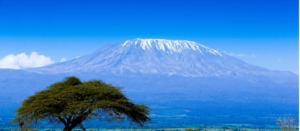
Mount Kilimanjaro , Conquer the Roof of Africa
Rising majestically above the surrounding plains, Mount Kilimanjaro is one of the most recognizable landmarks in the world. Standing at 5,895 meters, it is Africa’s highest peak and the tallest free-standing mountain on Earth.
Climbing Kilimanjaro is not just a physical challenge; it is a personal journey that rewards determination, resilience, and a sense of adventure.

Kirimanjaro Tanzania

A Trek Through Changing Worlds
What makes Kilimanjaro truly unique is the variety of ecosystems encountered during the ascent. Over several days, climbers pass through:
Dense rainforest alive with birds and wildlife
Open moorlands dotted with giant plants
Stark alpine deserts shaped by wind and rock
Snow and glaciers near the summit
Each zone offers dramatic scenery and unforgettable views.
Routes to the Summit
At GTD Afrika Tours & Travel, we offer well-planned Kilimanjaro climbs led by experienced mountain teams. Popular routes include:
Machame Route , known for its scenic beauty and varied terrain
Lemosho Route , quieter and more gradual, ideal for acclimatization
Marangu Route ,featuring hut accommodations for added comfort
Reaching Uhuru Peak at sunrise is an emotional and triumphant moment, offering panoramic views above the clouds and a profound sense of accomplishment.

The Serengeti , Nature at Its Most Spectacular
The Serengeti National Park is synonymous with African wildlife. Its endless plains, dramatic skies, and abundant animals create one of the most extraordinary natural environments on Earth.
The Great Migration
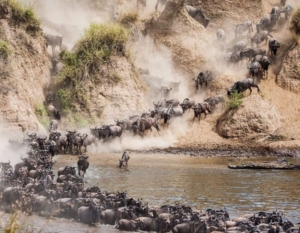
The Serengeti is best known for the Great Migration, one of the largest movements of animals anywhere in the world. Each year, over a million wildebeest, accompanied by zebras and gazelles, travel across the ecosystem in search of fresh grazing.
This epic journey is filled with unforgettable moments, including:
Massive herds stretching to the horizon
Intense predator-prey interactions
River crossings teeming with crocodiles
Calving seasons that attract large predators
Few experiences compare to witnessing this cycle of life unfold in real time.
Exceptional Wildlife Viewing
Beyond the migration, the Serengeti offers exceptional game viewing throughout the year. Lions, leopards, cheetahs, elephants, giraffes, and countless antelope species thrive here. The open landscape allows for excellent visibility, making every game drive a rewarding experience.

Ngorongoro Crater , Africa’s Natural Sanctuary
The Ngorongoro Crater is one of Tanzania’s most remarkable natural wonders. Formed millions of years ago by the collapse of a massive volcano, the crater is now a lush, enclosed ecosystem supporting an incredible concentration of wildlife.

A Wildlife Haven
Within the crater walls, travelers may encounter;
Large prides of lions
Massive bull elephants
Endangered black rhinos
Hippos, buffaloes, and zebras
Flamingos gathering along soda lakes
The unique geography of the crater allows animals to thrive year-round, creating some of the most consistent and rewarding safari experiences in Africa.
Cultural Significance
The Ngorongoro Conservation Area is also home to pastoral communities that have lived in harmony with wildlife for generations. Cultural visits offer insight into traditional lifestyles, customs, and a deep respect for nature.

Tarangire National Park , Land of Giants
Often overlooked in favor of larger parks, Tarangire National Park is one of Tanzania’s most underrated safari destinations. It is famous for its ancient baobab trees and large elephant populations.
A Park of Contrasts
During the dry season, animals gather along the Tarangire River, offering excellent wildlife viewing opportunities. Visitors may see:
Large herds of elephants
Lions resting in the shade of baobabs
Giraffes, wildebeest, and zebras
Diverse birdlife with hundreds of species
Tarangire offers a quieter, more intimate safari experience while still delivering remarkable sightings.

Lake Manyara National Park , Beauty and Diversity
Nestled at the base of the Great Rift Valley escarpment, Lake Manyara National Park is known for its scenic beauty and ecological diversity.
The park’s habitats range from groundwater forests to open grasslands and alkaline lakes, creating a haven for wildlife.
Highlights include:
Tree-climbing lions
Large troops of baboons
Flamingos and other waterbirds
Hippos and elephants
Lake Manyara is particularly appealing for those who appreciate varied landscapes and rich birdlife.

Remarkable Tanzania

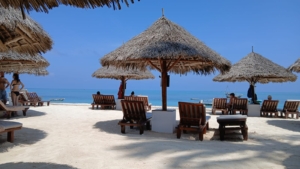
Zanzibar , Tropical Tranquility and Cultural Heritage
After days filled with adventure and wildlife encounters, the islands off Tanzania’s coast provide the perfect place to relax.

Zanzibar,  The Spice Island
Zanzibar combines stunning white-sand beaches with a deep and fascinating history. Its cultural influences reflect centuries of trade and interaction between Africa, Arabia, and beyond.
Experiences in Zanzibar are:
Exploring historic Stone Town, a UNESCO World Heritage Site
Visiting spice plantations and local markets
Snorkeling and diving in clear, warm waters
Relaxing at beach resorts along the coast
Zanzibar offers a soothing contrast to safari adventures, blending relaxation with cultural discovery.

Pemba Island , Untouched and Serene
For travelers seeking solitude and natural beauty, Pemba Island provides lush landscapes, pristine coral reefs, and a slower pace of life. It is ideal for diving, snorkeling, and peaceful escapes.

Tailor-Made Journeys with GTD Afrika Tours & Travel
We believe that every journey should be as unique as the traveler. We specialize in creating personalized itineraries that reflect your interests, travel style, and sense of adventure.

What Sets Us Apart
In-depth local knowledge and expert guides
Carefully selected lodges, camps, and hotels
Flexible itineraries designed around your preferences
Strong commitment to safety and responsible tourism
Seamless planning from arrival to departure
Whether you are planning a wildlife safari, a mountain trek, a beach escape, or a combination of experiences, we ensure every detail is thoughtfully arranged.

An Experience That Lasts a Lifetime
Tanzania is more than a destination. It is a place that awakens the senses, inspires wonder, and creates memories that last forever. The roar of a lion at dawn, the vast silence of the savannah, the warmth of local hospitality, and the beauty of untouched landscapes combine to create an unforgettable journey.
With GTD Afrika Tours & Travel, your Tanzanian adventure becomes a story of discovery, connection, and awe.

Begin Your Remarkable Tanzania Journey
Let Tanzania reveal its magic to you.
Contact GTD Afrika Tours & Travel today and allow us to craft an unforgettable journey through the true soul of Africa.
Tanzania awaits , wild, beautiful, and timeless.

When you think of Afrikan safaris, destinations such as Uganda and Kenya often come to mind. But tucked away in the heart of East Afrika lies a hidden gem: Rwanda  a land of a thousand hills, lush rain-forest, shimmering lakes and endangered mountain gorillas. With its compact size, rich biodiversity and warm hospitality, Rwanda offers a safari experience unlike any other. Whether you’re excited about gorilla trekking, game drives, primate tracking or cultural immersion, a safari in Rwanda should be on your travel wish-list.

At GTD Afrika Tours and Travels, we specialise in bespoke safaris across Uganda, Rwanda and Kenya  and in this article, we will guide you through everything you need to know to plan a successful safari in Rwanda: the top destinations, best times to travel, logistics, conservation ethos, sample itineraries, budgeting, and insider tips.

Rwanda Safaris

Let’s go deeper into why Rwanda is emerging as one of Africa’s top safari destinations.

Why Choose Rwanda for Your Safari?

Compact And  Accessible

Unlike some vast safari countries where transfers can cost an entire day, Rwanda’s size makes it easy to combine multiple parks in one trip. According to one safari-guide overview, road transfers such as from the capital Kigali to Volcanoes National Park take roughly 2.5 hours, while to Nyungwe Forest National Park 5-6 hours  manageable and scenic.

Unique Wildlife Experiences

Rwanda offers some of the world’s most iconic wildlife encounters:

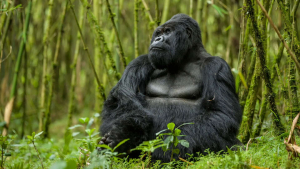
Mountain gorilla trekking in Volcanoes National Park.

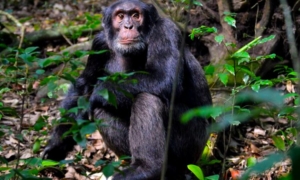
Chimpanzee tracking and canopy walks in Nyungwe Forest.

“Big Five” style game drives (elephants, lions, buffaloes, rhinos, leopards) in Akagera National Park where they have recently reintroduced black and white rhinos.

Safety And  Infrastructure

Rwanda has earned a reputation for safety, cleanliness, and tourist-friendly infrastructure. Roads in general are among the best in East Afrika.

Conservation And Low-impact Tourism

Rwanda emphasises sustainable tourism, especially around its gorilla permits and the protection of its natural habitats. When you travel here, you are supporting ongoing conservation efforts  something many travellers appreciate deeply.

A Rich Cultural Landscape

Beyond wildlife, Rwanda offers a compelling story: the transformation after the 1994 genocide, a vibrant capital in Kigali, friendly communities, rich traditions and opportunities to engage responsibly with local life.

Key Safari Destinations in Rwanda

Here is a breakdown of Rwanda’s top safari and wildlife destinations. You will want to pick 2-3 of these for a well-rounded itinerary.

Volcanoes National Park

Located in the north-west of Rwanda, Volcanoes National Park is the place for mountain gorilla trekking  one of Afrika’s most sought-after wildlife experiences. Home to the famous gorilla families once studied by Dian Fossey, the park also offers golden monkey tracking, hiking on volcano slopes, and cultural visits to local villages.

Rwanda Safaris

Highlights:

Trekking to see the endangered mountain gorillas in their natural habitat.

Visits to the  Karisoke Research Centre.

Golden monkey adventures.

Volcano hikes and stunning landscapes.

Notes: The gorilla trekking permit is $1500 as of 2025 and must be booked well in advance.

The trails can be tough: steep, muddy, sometimes slippery. Good fitness and sturdy boots are advisable.

Nyungwe Forest National Park

In the south-west of Rwanda lies Nyungwe, one of Afrika’s most pristine montane rainforests. It offers chimpanzee tracking, a famed canopy walk that elevates you high above the trees, bird-watching, and rich Hima-culture experiences.

Highlights:

Chimp trekking and primate spotting (13 + primate species).

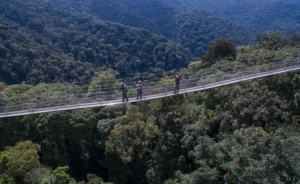
Canopy walk bridge for spectacular forest views.

Birding , Nyungwe hosts hundreds of bird species.

Hiking through rainforest, waterfalls and tea-plantations.

Akagera National Park

On the eastern border of Rwanda, Akagera offers savannah, wetlands and lakes. It’s becoming a classic safari park with big game, reintroduced rhinos and optional boat safaris.

Highlights:

Game drives for elephants, buffalo, lions and rhinos.

Boat safari on Lake Ihema for water-based wildlife and birdlife.

Gorgeous, less-crowded safari setting compared to some East Afrikan parks.

Opportunity to combine with gorilla trekking for maximum diversity.

Lake Kivu And  Western Region

While not a “national park safari” in the classic sense, Lake Kivu and the surrounding western lakeside region offer relaxing counterpart days  ideal after the intensity of trekking or game drives. Think boat rides, island hop, lakeside lodges and coffee tours.

Highlights:

Chill or extend your trip with lakeside tranquillity.

Boat rides, kayaking and scenic views.

Coffee-plantation visits and cultural village tours.

Kigali And  Culture

Begin (or end) your journey with a stay in Kigali. It’s a clean, safe capital with engaging cultural experiences.

Highlights:

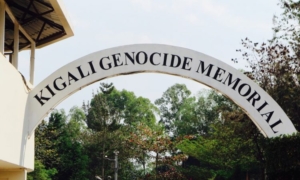
Visit the Kigali Genocide Memorial for a moving and educational experience.

Explore local art, street food and markets in vibrant neighbourhoods such as Nyamirambo.

Use Kigali as the logistical hub for entering and exiting Rwanda.

Best Time to Visit Rwanda

Timing is important for both safari success and value.

Dry Seasons (best for trekking and  drives)

June to September (long dry season)  good weather, optimum for hiking trails.

December to February (short dry season)  easier conditions, still good for trekking.

March to May and October to November. Trails and roads may be muddier, but landscapes are lush, fewer crowds, and some lower prices.

Note: In wetter months, routes in remote areas can be more challenging.

Budget / value tip: Travel slightly off-peak (wet season) to get lower lodge rates and fewer tourists  but accept the trade-off of potential rain and tougher terrain.

Planning Your Safari: Logistics And Tips

Entry Requirements and  Visa

Your passport should be valid for at least six months beyond arrival.

Rwanda offers e-Visas and visas on arrival for many nationalities.

Depending on your home country and route, you may need a yellow fever vaccination certificate and should check health requirements.

Health And Safety

Malaria risk exists in Rwanda  anti-malaria medication, insect repellent and long-sleeves/trousers recommended.

Tap water may not always be safe  bottled water or purified water is advisable.

Rwanda is one of the safer destinations in East Afrika, but standard travel precautions still apply: avoid isolated areas at night, keep valuables discreet etc.

Road travel: While major roads are good, after-dark driving can be risky in rural areas with poor lighting.

Packing wise: sturdy hiking boots, rain jacket, warm layer for early mornings/evenings are essential.

Getting Around And  Transfers

You will likely arrive via Kigali International Airport (KGL).

Road transfers between major parks are reasonable thanks to good roads. For example, Kigali to  Volcanoes 2.5 hours.

Self-drive is an option for the experienced traveller: ensure you have a suitable 4×4 (especially if venturing off paved roads).

Many safari tours use 4×4 vehicles with pop-up roofs for game drives or guided trekking on foot.

Internal flights/helicopter transfers are available but less common  most choose scenic drives.

Permits And  Booking Ahead

Gorilla trekking permits are limited and high-demand. Reserve well in advance.

Some trekking and park activities may have age restrictions or fitness requirements  always check ahead.

Book lodges and transfers with reputable partners. Your tour operator should coordinate park fees, guides, vehicles, accommodations and permits seamlessly.

Accommodation Options

Rwanda offers range from budget guesthouses to ultra-luxury lodges. The standard of service is high.

In national-park zones expect premium pricing given conservation focus, exclusivity and limited numbers.

For budget travellers: staying just outside park gates and using local transport may save money.

Cost/Budget Guide

Here’s an approximate guideline (per person per night, including accommodation, meals, game drives and transfers) for Rwanda safaris:

Mid-range (4★); Low season USD 600-900. High season USD 900-1,200.

Luxury lodges: Low season USD 1,200-1,800; High season USD 1,800-2,500+

Gorilla trek permit (non-resident): USD 1,500 per person (must be booked ahead).

Tipping And  Local Etiquette

Tipping is not mandatory but appreciated. Guides, porters, lodge staff: USD 10-25 per day depending on service.

Dress modestly, particularly in rural/cultural settings. Rwanda is conservative in some regions.

Avoid using non-biodegradable plastic bags  Rwanda has a strict ban on single-use plastic bags.

Ask permission before photographing local people and respect local customs.

Packing Checklist

Sturdy hiking boots and long trousers for trekking (especially gorilla treks through bamboo/undergrowth).

Long-sleeved shirt for early morning chill and mosquito protection.

Rain jacket/poncho especially if travelling in green season.

Sun protection (hat, sunscreen), binoculars, good-quality camera, extra batteries/memory cards.

Reusable water bottle (many lodges can refill).

Small cash in USD/Rwandan Francs for tips and out-of-town purchases.

Sample Itineraries

Here are three sample itineraries for different travel styles: short, moderate and extended.

5-Day Essential Rwanda Safari

Day 1: Arrive Kigali, city tour, stay overnight.

Day 2: Transfer to Volcanoes National Park, lodge near gorilla park.

Day 3: Gorilla trekking in Volcanoes National Park, afternoon golden monkey or village visit.

Day 4: Travel to Lake Kivu relax, stay lakeside.

Day 5: Return to Kigali, depart.

8-Day Classic Wildlife and Gorilla Safari

Day 1: Arrive Kigali, city and culture.

Day 2-3: Volcanoes National Park , gorilla trek , golden monkey / village/forest walk.

Day 4: Transfer to Nyungwe Forest: canopy walk, chimpanzees.

Day 5: Nyungwe deeper rainforest hike, tea-plantation visit.

Day 6: Transfer to Lake Kivu , relax by The Lake, boat ride or coffee tour.

Day 7: Akagera National Park , game drive, boat safari, rhino tracking.

Day 8: Return to Kigali, final afternoon, depart.

12-Day Premium Explorer (Rwanda and  Cross-Border)

Days 1-2: Kigali, cultural immersion.

Days 3-4: Volcanoes National Park gorilla trek.

Days 5-6: Nyungwe Forest ,canopy walk, chimpanzees.

Day 7: Lake Kivu , riverside, leisure.

Days 8-9: Akagera National Park ,full game drive experience including boat safari and rhinos.

Days 10-12: Optional extension into neighbouring Uganda (gorillas in Uganda) or onward Kenya safari, then return via Kigali.

Note: GTD Afrika Tours & Travels can assist cross-border custom itineraries into Uganda/Rwanda/Kenya.

Conservation And Responsible Travel

Safari experiences in Rwanda are made possible thanks to strong conservation efforts.

The gorilla trekking permits are tightly controlled to protect the gorillas and their habitat.

Parks such as Volcanoes, Nyungwe and Akagera have rigorous rules  following your guide’s instructions is essential.

Supporting local communities: many lodges and tour operations contribute to village education, health and conservation projects.

Minimising your footprint: travel lightly, respect wildlife , no feeding or disturbing animals, avoid plastic waste and stick to designated trails.

By choosing Rwanda you are choosing a destination where tourism is aligned with long-term nature and community well-being.

What to Expect: Wildlife, Flora And Terrain

Mountain Gorillas And  Primates

The highlight for many visitors: mountain gorilla families in Volcanoes National Park. Tracking these magnificent animals through misty bamboo forest is a privileged experience.

In Nyungwe Forest you will find chimpanzees, colobus monkeys and other primates living in dense canopy  a different kind of safari, but equally thrilling.

Game Drives And Savanna Style Safari

At Akagera National Park you will experience more open terrain, classic safari game drives, boat excursions and rhinos a nice contrast to the rainforest trekking.

Landscapes And Scenery

Rwanda’s nickname: “Land of a Thousand Hills” Rolling green hills, tea-plantations, volcanoes, lakes and rainforest all feature. The unique topography means you will often be above or below cloud-cover, with dramatic vistas.

Birdlife And Nature Lovers

For the bird-enthusiast, Rwanda delivers; Nyungwe alone hosts hundreds of species. Boating on Lake Ihema adds water-bird possibilities.

Costs, Budgeting And  Value-Tips

Rwanda safaris are often seen as “premium” compared to some other African safari destinations, but they deliver exceptional value when you consider the quality, uniqueness and logistics.

Here are some tips to get better value:

Travel in the green season (March-May, October/November) for potentially lower rates.

Combine experiences for example gorilla trekking , game drives , relaxation to make the most of travel time.

Book your gorilla permit as early as possible.

Stay outside park-gates or mix lodge types (mid-range plus luxury) to balance cost.

Choose local guides/tour operators who know the country intimately  GTD Afrika Tours & Travels offers such expertise.

Pay attention to tipping, extra fees, transport logistics  confirm everything in advance.

Practical Travel And Safari Tips

Fit And Health

Gorilla treks can be physically demanding  climbing slopes, traversing muddy/bamboo terrain, sometimes high altitude. Ensure you’re fit enough and carry the right gear.

Don’t forget travel insurance that covers trekking, evacuation, medical issues.

Safety Behaviour

Always follow your guide’s instructions  especially in parks; no going off-trail, no getting too close to wildlife.

Secure valuables, keep copies of passport, travel documents safe.

Avoid driving at night outside major highways  roads may be poorly lit, pedestrians or animals may appear.

Cultural Respect

Dress modestly, particularly in rural/cultural areas.

Always ask permission before taking photos of people.

Learn a few basic greetings in Kinyarwanda  locals really appreciate it.

Avoid discussing politics or genocide in casual settings unless locals initiate it remains a sensitive topic.

Technology And Connectivity

Purchase a local SIM card for better connectivity and local rates.

In remote lodges expect some signal limitations.

Bring adequate camera gear and backups  some lodges offer limited charging or rentals.

Sustainable Travel

Respect the plastic-ban; avoid single-use plastic bags.

Stay on trails, don’t disturb flora/fauna for photos.

Support local community-run lodges, craft markets and guides.

What Makes a Rwanda Safari Different from Kenya/Tanzania?

Scale: Rwanda’s parks are smaller and more concentrated less long-drives between highlights.

Primate-focus: Whereas Kenya/Tanzania are big on savannah and migrations, Rwanda is exceptional for gorillas and primates.

Luxury and  exclusivity: Because permits are limited and infrastructure well-developed, experiences can be more exclusive.

Less crowded: Fewer huge safari vehicles; more intimate experiences.

Value-added culture and  history: The blend of wildlife , culture , post-genocide transformation story makes Rwanda unique.

Booking with GTD Afrika Tours & Travels

At GTD Afrika Tours & Travels, we design tailored safari experiences across Uganda, Rwanda and Kenya. For Rwanda we will:

Secure your gorilla trekking permit.

Arrange your transport, lodge bookings, local guides and  park entries.

Provide expert local guides with deep knowledge of Rwanda’s wildlife, culture and terrain.

Offer add-on options (Lake Kivu, cultural tours, relaxation days) to balance adventure and downtime.

Help with logistics: pre-trip briefings, packing lists, travel insurance advice.

Support responsible tourism practices: minimize impact, maximize benefit to local communities.

Frequently Asked Questions

Q: Is Rwanda safe for solo travellers?

Yes , Rwanda is considered safer than many neighbouring countries for travellers. As always, exercise common-sense precautions.

Q: How difficult is gorilla trekking?

It can be moderately strenuous: steep slopes, possible muddy paths, several hours walking. Good fitness, appropriate gear and your guide’s support make a big difference.

Q: Can I combine gorilla trekking with classic game drives?

Definitely. A common itinerary: gorilla trek in Volcanoes , game drives in Akagera , chimp tracking in Nyungwe.

Q: How far in advance should I book?

Very early for gorilla permits (often 6-12 months ahead). Lodges and internal transfers also fill up. For the rest of the safari you can book maybe 3-4 months ahead in many cases, but high-season fills fast.

Q: What happens if I can’t walk?

If trekking is too demanding, you may need to select alternatives (e.g., gorilla habituation experiences, less strenuous trails) and consult with your tour operator about suitability.

Q: What’s the currency?

The Rwandan Franc (RWF). Many lodges accept credit cards in major towns, but in rural areas cash is still important.

Q: Should I tip in USD or local currency?

USD is widely accepted for tipping, but local currency is fine too. Check with your lodge or guide.

Conclusion

A safari in Rwanda is more than just viewing wildlife  it is about connection; with nature, with rare creatures like the mountain gorilla, with landscapes that take the breath away, and with a country that has transformed itself into a world-class travel destination. For safari travellers seeking something truly exceptional, Rwanda stands out.

At GTD Afrika Tours & Travels, we are excited to help you craft this experience. Whether you’re visiting for gorilla trekking, rainforest hikes, game drives or cultural immersion  Rwanda offers it all in a uniquely compact and accessible way.

Start planning your Rwanda safari today  and unlock memories that will last a lifetime.

Chimpanzee Trekking in Uganda: The Ultimate Safari Adventure with GTD Afrika Tours

Witness Our Closest Relatives in the Wild
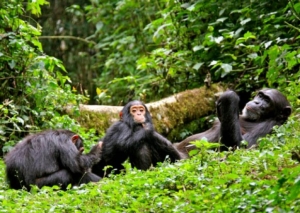
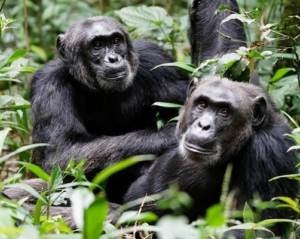
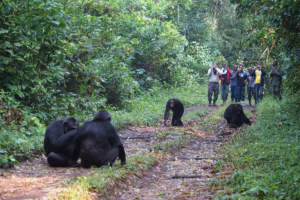
Imagine walking through a lush African rainforest, hearing the distant calls of chimpanzees, and suddenly coming face-to-face with these intelligent, playful creatures. This is chimpanzee trekking in Uganda, an adventure that blends wildlife, culture, and unforgettable memories.
At GTD Afrika Tours, we specialize in creating seamless, ethical, and exhilarating chimpanzee trekking experiences across Uganda. From Kibale Forest National Park to Budongo Forest, our safaris provide travelers with a chance to witness chimpanzees in their natural habitats, guided by experts who understand their behavior and ecology.
Chimpanzees are not only fascinating animals; they are our closest living relatives, sharing 98.7% of human DNA. Observing them in the wild allows us to appreciate the intelligence, social bonds, and emotions that mirror our own.
In this comprehensive guide, we’ll explore everything you need to know about chimpanzee trekking in Uganda, from where and when to go, to preparation tips, conservation, and the ultimate GTD Afrika Tours experience.

Understanding Chimpanzees: Biology, Behavior, and Intelligence
Subspecies and Distribution
Uganda is home to the common or eastern chimpanzee (Pan troglodytes schweinfurthii), the only subspecies found in the country. Approximately 5,000 individuals inhabit forests like Kibale, Budongo, Kalinzu, Bwindi, Bugoma, and the Rwenzori Mountains. These forests are interlinked, forming populations that allow chimpanzees to move and interact safely across territories.
Chimpanzees also inhabit neighboring countries, including Tanzania, Rwanda, Burundi, the Democratic Republic of Congo, and southern Sudan. Uganda holds some of the largest populations, with Kibale National Park alone containing about 25% of the nation’s chimpanzees.


Physical Characteristics
Chimpanzees are black-coated great apes with long arms and opposable thumbs, enabling remarkable dexterity. Adult males grow up to 1.2 meters (4 ft) tall and weigh around 60 kg (132 lbs.), while females reach 1.1 meters (3.5 ft.) and 47 kg (103.6 lbs.).
Their facial expressions, gestures, and vocalizations are rich and varied, forming a sophisticated communication system. Research shows that chimps are capable of metacognition, or “thinking about thinking,” revealing their intelligence and social awareness.


Social Structure and Behavior
Chimpanzees live in fission-fusion communities ranging from 15 to 80 members. Within these large communities, smaller sub-groups of up to 10 travel, feed, and sleep together, changing composition frequently.
Key social behaviors include:
Grooming: Strengthens bonds and keeps chimps clean from parasites.
Mother-Child Bonds: Infants cling to their mothers for up to 10 years, learning vital survival skills.
Alpha Male Hierarchies: Male chimps establish dominance through displays and alliances, maintaining community structure.
Territorial Patrols: Communities defend core territories to ensure access to resources.


Diet and Tool Use
Chimpanzees are omnivorous, eating:
Fruits
Leaves, flowers, and seeds
Eggs, insects, and small mammals
Remarkably, they use tools to forage, such as sticks to fish termites or stones to crack nuts. Some research even shows chimps invent compound words in controlled studies to communicate new objects or concepts.

Reproduction and Lifespan
Female chimpanzees give birth to a single infant every five to six years. Young chimps rely on their mothers for protection and education, learning how to build nests, find food, and navigate social interactions. Lifespan in the wild can reach 40–50 years, with some individuals living longer in protected areas.
Best Places to See Chimpanzees in Uganda
Uganda offers some of the world’s most accessible and rewarding chimpanzee trekking opportunities.

Kibale Forest National Park
Known as the “Primate Capital of the World.”
Home to over 1,500 chimpanzees and 13 other primate species.
Trails are well-marked, guided by expert trackers.
Offers half-day trekking and full-day habituation experiences.
Budongo Forest Reserve
Less crowded, providing a more private experience.
Dense mahogany forests with diverse wildlife.
Focuses on research and conservation, making treks educational.
Kalinzu Forest Reserve
Known for small, interconnected chimpanzee populations.
Ideal for travelers seeking intimate encounters and wildlife photography.

Bwindi Impenetrable National Park
Though primarily famous for gorillas, Bwindi hosts smaller chimpanzee populations.
Treks here are adventurous and scenic.
Murchison Falls National Park & Semliki Reserve
Offers unique chimpanzee tracking experiences along with savannah wildlife safaris.

When to Go: Timing Your Trek
Uganda has two main seasons, influencing your trekking experience:
Dry Season (December–February, June–September): Trails are easier, chimpanzees are easier to spot, and trekking is more comfortable.
Wet Season (March–May, October–November): Forests are lush and green, fewer tourists, but trails may be slippery.

Early morning treks are best for sightings, as chimpanzees are most active during this time.


What to Expect on a Chimpanzee Trek
Orientation and Safety Briefing
Rangers provide instructions to ensure safety and minimal disturbance to the chimps.
Trekking Through the Forest
Walk through dense tropical forests with experienced guides.
Observe other wildlife: monkeys, birds, butterflies.
Spotting Chimpanzees
Treks usually last 2–5 hours, depending on troop location.
Observe feeding, grooming, and social interactions.
Post-Trek Experience
Reflection time with tea/coffee.
Photo opportunities while respecting wildlife rules.


Preparing for Your Chimpanzee Trek
Clothing: Neutral-colored long sleeves, long trousers, hat, hiking boots.
Gear: Binoculars, camera, raincoat, small backpack.
Health: Vaccinations for yellow fever, routine immunizations, and personal medication.
Fitness: Moderate fitness is sufficient; treks can be physically demanding.

The GTD Afrika Tours Experience
GTD Afrika Tours provides personalized chimpanzee trekking safaris with:
Experienced guides and trackers
Permit arrangements and local logistics
Comfortable accommodation before/after treks
Ethical, sustainable tourism practices
“Trekking with GTD Afrika Tours was unforgettable! Seeing chimpanzees up close in Kibale Forest is an experience I will never forget.”  A Happy Client
We also provide custom itineraries, combining chimpanzee trekking with gorilla safaris, savannah game drives, and cultural experiences.
Conservation and Responsible Tourism
Chimpanzee trekking supports conservation:
Protecting chimpanzee habitats
Supporting local communities
Promoting ethical wildlife interactions
Choosing GTD Afrika Tours ensures your safari is sustainable and responsible, helping preserve Uganda’s wildlife for future generations.
Chimpanzee Trekking FAQs
Q: How much does chimpanzee trekking cost?
A: Permits range from $150–$250. GTD Afrika Tours handles all bookings.
Q: Can children participate?
A: Children over 15 years old can trek with moderate fitness.
Q: How long are the treks?
A: 2–5 hours depending on troop movement.
Q: Can I take photos?
A: Yes, but flash photography is prohibited.
Travel Logistics and  Connecting Safaris
Arrival: Most of our  trips start from Entebbe International Airport, followed by a 4–6 hour drive or charter flight to Kibale.
Connecting Safaris: Many travelers combine chimpanzee trekking with Queen Elizabeth National Park or Bwindi gorilla treks.
Accommodation: Options range from luxury lodges to eco-camps, all carefully vetted by GTD Afrika Tours.

Preparing for Your Adventure
Packing Essentials: Water bottle, sunscreen, insect repellent, trekking shoes, and binoculars.
Health Precautions: Vaccinations, first aid kit, and travel insurance.
Photography Tips: Capture memories while maintaining ethical distance.
Client Testimonials
“From start to finish, GTD Afrika Tours made our chimpanzee trekking experience seamless and magical. The guides were knowledgeable, and the encounters with chimps were mesmerizing.” – Linda And Heinrich, USA
“Our family loved the combination of chimpanzee trekking and gorilla safari. Every detail was handled perfectly.”  The   Otto Family, Uganda
Conclusion: Your Ultimate Chimpanzee Safari Awaits
Uganda offers an unparalleled chimpanzee trekking adventure, combining wildlife, natural beauty, and cultural experiences. With GTD Afrika Tours, you will enjoy:
 

Expert-guided treks
Ethical wildlife interactions
Seamless logistics and accommodations
Conservation-focused experiences.

Book your chimpanzee trekking adventure with GTD Afrika Tours and Travels today and witness the wonder of Uganda’s primates in their natural habitat!

Corporate Incentive Trips in East Africa;Reward And  Inspire with GTD Afrika Tours And Travels.

Plan unforgettable corporate incentive trips in Uganda, Rwanda  and Kenya with GTD Afrika Tours and Travels. Luxury safaris, gorilla trekking, team-building adventures, and cultural experiences await your team.

Elevate Your Corporate Incentive Trips with GTD Afrika Tours.

Looking to reward top performers, boost team morale, or strengthen corporate bonds? GTD Afrika Tours  and Travels specializes in customized corporate incentive trips across Uganda, Rwanda, and Kenya  destinations where luxury, adventure, and culture combine to create an unforgettable experience.

Why Choose East Africa for Your Corporate Incentive Trip?

Exclusive Wildlife Experiences

Trek through lush forests to see mountain gorillas in Bwindi Impenetrable Forest

Observe chimpanzees in Kibale National Park

Enjoy game drives in Queen Elizabeth, Maasai Mara, or Murchison Falls National Parks

 Luxury and  Comfort

Stay in 5-star lodges and luxury tented camps

Enjoy seamless transport and curated adventure activities

Balance adventure and relaxation for a truly rewarding experience

Authentic Cultural Immersion

Visit local communities and learn traditional crafts

Participate in team-building through cultural experiences

Engage in conservation or volunteer activities that strengthen team cohesion

Inspiring Adventure Activities

Hot-air balloon safaris over the savannah

White-water rafting on the Nile

Hiking Rwanda’s scenic mountains

These experiences not only inspire but also forge stronger bonds among team members.

How GTD Afrika Tours Curates Your Corporate Incentive Trip

Goal-Oriented Planning , Tailored for recognition, strategy, or team-building

Customized Itineraries ,Ranging from 5-day retreats to 17-day immersive adventures

Expert Guides and  Luxury Accommodation , Comfort, safety, and seamless travel

Flexibility , Activities and schedules tailored to your team’s preferences

Safety and  Professionalism , Every step designed with corporate travelers in mind.

Sample 7-Day Corporate Incentive Trip

Day 1–2: Arrival in Entebbe, Uganda – Welcome dinner and team orientation

Day 3: Chimpanzee trekking in Kibale National Park – Guided team-building exercises

Day 4–5: Gorilla trekking in Bwindi – Cultural visit to Batwa communities

Day 6: Safari at Queen Elizabeth National Park – Game drives and sunset cruise

Day 7: Reflection session, farewell lunch, and departure

Benefits of Corporate Incentive Trips

Boost team motivation and morale

Encourage collaboration and teamwork

Reward top performers with once-in-a-lifetime experiences

Create lasting memories that strengthen employee loyalty

Why GTD Afrika Tours?

Years of experience organizing corporate trips in East Africa

Exclusive access to wildlife parks, cultural experiences, and luxury lodges

Dedicated support from itinerary planning to execution

Customizable experiences tailored to your corporate objectives

Book Your Corporate Incentive Trip Today

Give your team an adventure they will never forget. Contact GTD Afrika Tours and Travels to plan your next corporate incentive trip in Uganda, Rwanda, or Kenya, combining luxury, adventure, and cultural experiences for a truly exceptional journey.


Experience the best of East Africa with GTD Afrika Tours & Travels. Our safari and Incentive trips combine thrilling wildlife adventures with authentic cultural encounters in Uganda, Kenya, and Rwanda. Explore iconic national parks, meet local communities, and create memories that last a lifetime all with a hassle-free, expertly guided experience.

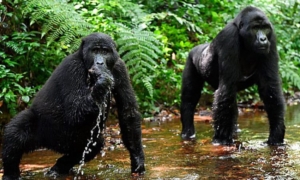
Gorilla

Why Choose GTD Afrika Tours?
At GTD Afrika Tours, we make safari trips simple, safe, and unforgettable:
Experienced guides: English, Spanish ,French and German-speaking safari experts with deep local knowledge.
Tailored itineraries: From gorilla trekking to Maasai village visits, designed for every traveler.
Comfortable travel: 4×4 vehicles, reliable transport, and modern accommodations in every destination.
Cultural immersion: Connect with local communities for a truly authentic East African experience.

Top Safari Destinations

Uganda – Gorilla Trekking and Wildlife Safaris.

Bwindi Impenetrable Forest: Track mountain gorillas with expert guides.
Kidepo Valley National Park: Spot lions, elephants, giraffes, and zebras in a remote savannah setting.
Murchison Falls National Park: Enjoy game drives and boat safaris along the Nile.
Cultural encounters: Visit the Batwa Pygmies and Buganda Kingdom sites in Kampala.

Kenya – Iconic Wildlife and Maasai Culture
Maasai Mara National Reserve: Witness the Big Five and, depending on the season, the Great Migration.
Amboseli National Park: View large elephant herds with Mount Kilimanjaro as a backdrop.
Samburu Region: Meet the Samburu people, admire their colorful beadwork, and learn about their traditions.
Lamu Island: Explore the Swahili coast, historic architecture, and spice markets for a cultural touch.


Rwanda – Gorilla Trekking and Cultural Experiences.
Volcanoes National Park: Trek to see gorillas and golden monkeys in the lush Virunga Mountains.
Iby’iwacu Cultural Village: Participate in local workshops, basket weaving, traditional cooking, and music.
Kigali City: Visit markets, galleries, and the Kigali Genocide Memorial for a meaningful cultural experience.

Why Safari Trips in East Africa Are Unique
East Africa offers a rare combination of:
Diverse wildlife: From gorillas and chimpanzees to lions, elephants, and rare birds.
Rich cultures: Interact with Maasai, Samburu, Batwa, and other indigenous communities.
Stunning landscapes: Savannah plains, misty mountains, and lush forests.
Unforgettable experiences: Gorilla trekking, cultural village visits, and local cuisine tasting.

Tips for a Successful Safari Trip
Pack wisely: Light clothing, binoculars, sun protection, and comfortable shoes.
Travel in the dry season (June–Sepetember): Best for game viewing and trekking.
Respect wildlife and communities: Maintain safe distances and follow local customs.
Book Your East African Safari Today
With GTD Afrika Tours & Travels, your safari trip in Uganda, Kenya, and Rwanda is easy, safe, and unforgettable. Experience wildlife, culture, and adventure all in one seamless journey.
Contact us now to start planning your East African safari adventure.

In the heart of East Africa, where Uganda’s rolling hills meet dense rainforest, lies one of the most extraordinary places on Earth: Bwindi Impenetrable National Park.