
Mabamba Swamp

Uganda’s Papyrus Paradise and the Home of the Shoebill
If you have ever scrolled through birding forums, travel blogs, or the glossy pages of wildlife magazines, you have probably seen a photo that stops you cold, a prehistoric-looking, slate-grey bird with a massive, shoe-shaped bill, standing motionless among papyrus and lilies as if it stepped out of a Jurassic painting. That bird is the shoebill (Balaeniceps rex), and one of the best places on Earth to meet it is Mabamba Swamp ,a sprawling, whispering wetland on the northern edge of Lake Victoria in Uganda. This blog is your deep-dive into Mabamba’s wildlife, people, boats, and the slow, quiet magic of a place where water, papyrus and sky come together. I will cover the how-to’s, the why is, and the little practical tips that make a morning in the swamp unforgettable.
Go at dawn, take a canoe trip with a local guide, keep your camera battery charged, and bring your patience the rest is pure atmosphere.
Where Mabamba is and why it matters
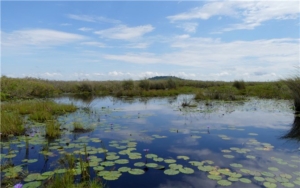
Mabamba Bay (often shortened to Mabamba Swamp) sits on the northern shore of Lake Victoria, roughly between Entebbe and Kampala in central Uganda. It isn’t a zoo paddock or a manicured park , it’s a working wetland threaded with narrow channels, reed beds, and lagoons, a living place that supports fishermen, farmers, birds and crocodiles alike. The area is expansive ,often quoted at around 16,500–17,000 hectares , and is recognized for its global importance: Mabamba is both a Ramsar-listed Wetland of International Importance and an Important Bird Area. In short, it’s not only beautiful: it’s internationally significant for biodiversity and for the people who depend on it.
The shoebill, the star (but not the only act)
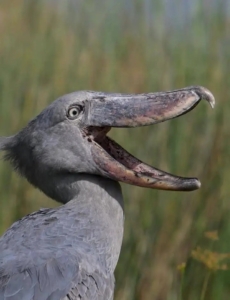
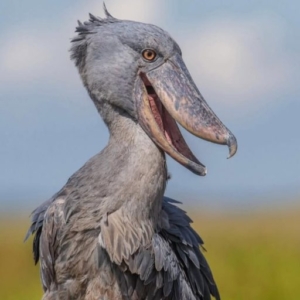
Let’s be blunt, most visitors come for the shoebill. With its thick, shoe-like beak, haunting yellow eyes, and statue-like hunting posture, the shoebill looks like evolution’s idea of a practical handbag. These birds can stand nearly 5 feet tall, move with glacial calm, and eat lungfish, catfish, frogs and the occasional baby crocodile. In Mabamba, shoebills are reliably sighted one of the reasons the swamp is famous, and boat trips winding through papyrus channels regularly deliver close and completely surreal encounters. Guides and photographers often describe the experience as part safari, part ghost story, quiet, expectant, and occasionally interrupted by a sudden wingbeat.
But Mabamba isn’t a one-bird wonderland. The swamp hosts over 300 species of birds , herons, kingfishers, wagtails, papyrus gonoleks, African marsh harriers and more , plus mammals like monitor lizards and the usual wetland suspects: otters, frogs, and reptiles. For birders, Mabamba’s diversity and accessibility are gold.
How a typical visit goes , the canoe, the silence, and the moment
Most visits to Mabamba are short, sweet and dawn-based. Here is a typical template;
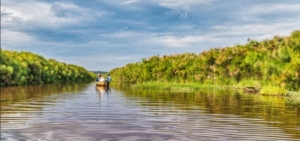
Pickup & approach: Many tours start in Entebbe or Kampala and head to one of the small landing sites (Kasanje or Nakawuka are common pickup points). From land, you will transfer to a wooden canoe , sometimes motorized, sometimes paddled , for the canal portion of the trip. The last stretches feel very local, people ferrying goods, fishermen casting nets, and villages where daily life brushes the marsh edge.
Into the papyrus; The boat threads narrow channels cut through a living ocean of papyrus. At first you will hear water lapping and the metallic knock of waders; then the world narrows to reeds and reflection. Guides will often stop the boat, whisper, and let you breathe as they point out a pale neck or a silhouette that is when the quiet does the work.
The shoebill encounter; Shoebills tend to hunt in open lagoons or at the papyrus edge. When you see one, the best thing is to be still and respectful, speak softly, avoid sudden movements, and let the bird decide what to ignore. Shoebills are surprisingly tolerant of boats if you’re calm and follow guide instructions, you can get great photos and a rare introduction to an animal that looks like a fossil in flight.
Wrap-up; Many trips include a short walk, sometimes a visit to a community project or the chance to meet local guides and fishermen. You’ll be back in town by late morning, often carrying a sense of having been somewhere very still and very alive
Best time to visit. You can see shoebills and enjoy Mabamba year-round, but there are windows that tilt the odds in your favor. Generally, the dry seasons , roughly December to February and June to August , concentrate water and fish, which in turn concentrates birds and increases visibility. Early morning is the golden hour: cooler temperatures, still water, and birds more likely to be active or standing in lagoons. If you’re serious about photography or a guaranteed close sighting, plan for a dry-season, dawn tour.

Getting there,a practical primer
Mabamba is accessible from both Entebbe and Kampala. Travel times vary with traffic, but here are the common approaches.
From Entebbe, The simplest route is via Nakiwogo landing (near Entebbe). A short ferry or boat crossing may be used to reach the Kasanje side; from there it’s a short drive to the swamp entry points. Because Entebbe is close to the international airport, many travelers arrive and head straight to Mabamba on the same day.
From Kampala: Expect a drive of roughly 45–90 minutes depending on traffic and route. Some tours operate from Kampala as day trips; others combine Mabamba with other nearby attractions into longer itineraries. If you’re arranging transport independently, ask your hotel or tour operator for the best landing site and current road conditions.
A word about boats: some operators use motorized wooden boats that can cover more ground and move faster; others use paddled canoes for a quieter, more intimate experience. If you want absolute silence and minimal vibration for photography, ask in advance for a non-motorized or low-noise option , but expect trade-offs in speed and availability.
Conservation, community, and tourism’s role
Mabamba isn’t a theme park; it’s a living wetland where conservation and community livelihoods intersect in complicated ways. Historically, local people fished and harvested papyrus for thatching , activities that sometimes conflicted with shoebill conservation because both birds and fishermen rely on the same fish. In recent decades, a change has occurred: many local people have been trained as guides and conservation stewards, and community-based ecotourism has become a tool for both income and protection. Programs help villagers benefit from tours, guide training, and small enterprises so that conserving the swamp becomes economically sensible as well as morally right.
That’s not to say Mabamba is problem-free. Threats like drainage for agriculture, overfishing, pollution and invasive species still loom. NGOs, government agencies and local groups continue to work on community engagement, alternative livelihoods, and ecotourism training to keep the wetland healthy. When you visit, consider supporting community enterprises — use local guides, buy crafts, and tip thoughtfully. Tourism done well supports conservation; done badly, it can erode the very things you came to see.
Wildlife notes; what you might see (beyond the shoebill)
Waterbirds: egrets, herons, African jacanas, kingfishers and bee-eaters Mabamba is rich with wetland specialists.
Papyrus specialists: species like the papyrus gonolek and the malachite kingfisher favor reedbeds and are a joy to spot
People life: fishermen in narrow canoes, riverside gardens, and small settlements make the swamp a sociable ecosystem as well as a natural one.
Responsible-visit checklist (do these, not those)
Do:
Use an accredited local guide , they know the channels, the birds, and the etiquette.
Visit early morning for the best light and bird activity.
Respect distance , even a seemingly calm shoebill can react to stress. Let your guide manage approach.
Support community projects: stay in community lodges, buy local crafts, tip guides.
Don’t;
Chase or harass birds for photos. Birds that are stressed waste energy and may abandon nests.
Litter or pollute; even small bits of plastic change wetland dynamics.
Assume you will see shoebills instantly the bird is reliable here, but sightings are not guaranteed. Bring patience (and a telephoto lens)
What to pack ,short list
Lightweight, neutral-colored clothes (no bright colors that might spook wildlife).
Rain jacket (tropical weather is unpredictable).
Sturdy sandals or shoes for wet landings and walking.
Binoculars and a telephoto lens if you’re a photographer (300–600mm is ideal for birds).
Insect repellent and sunscreen.
A small dry bag to keep gadgets safe from splash and humidity.
Cash (small notes) for tips and local purchases , many community operators don’t take cards.

Sample half-day itinerary (for planners)
04:30–05:30 , Pickup from Entebbe or Kampala, coffee and drive to launch point.
06:00 , Board canoe at the landing site; glide through papyrus channels as sunrise colors the water.
06:30–09:00 ,Slow boat search for shoebills and other waterbirds. Short stop on a quiet bank for listening and photography.
09:30 , Return to landing, meet community guide or visit a local craft stall.
10:30–11:00 , Return to Entebbe/Kampala, often in time for lunch or an afternoon flight.
If you want a less rushed experience, many operators offer overnight stays in nearby eco-lodges or community homestays so you can catch both sunrise and late-afternoon bird activity.
Photography tips (for the eager shutterbug)
Stability is everything: boats can wobble. Use a monopod if you must, and ask the guide to stabilize during critical moments.
Be patient: the best shots are often the ones you wait for a stalk, a strike, a sudden stretch.
Mind the light: dawn and dusk produce dramatic light, but strong sun can bleach colors. Shadows in papyrus can be harsh; expose carefully.
Respect the wildlife: no flash in close range, and avoid any behavior that could spook the bird.
Beyond the birds: local culture and community experiences
Mabamba’s villagers have a long relationship with the swamp. In some places you’ll see traditional fishing methods and papyrus harvesting for thatch and mats, in others you’ll find small-scale farms and community tourism projects. Several organizations work with locals to train guides, develop eco-lodges, and create alternative livelihoods so that conserving the swamp becomes a shared interest. If you have time, consider visiting a community-run visitor center or staying in a community lodge the combination of wildlife and human stories often makes the trip richer.
Safety and etiquette
Mabamba is generally safe for tourists, but keep these points in mind:
Water and boats: Wear life jackets if provided; be careful when boarding and disembarking.
Health: Bring any necessary malaria prophylaxis and insect repellent; check routine vaccinations before travel.
Respect for locals: Ask before photographing people, and accept that some areas have cultural sensitivities.
Wildlife caution: Keep distance from crocodiles and avoid walking into dense reeds alone.
How your visit helps
Conservation isn’t just about watching birds; it’s about creating incentives for people to protect habitats. When you pay for a tour, hire a local guide, or stay in a community lodge, money flows directly to people who have a stake in protecting Mabamba. Many programs explicitly train villagers to be guides and stewards of the swamp, creating a virtuous cycle: more tourism means more jobs, which increases support for conservation measures. Of course, conservation requires long-term investments beyond tourism , policy, enforcement, and sustainable livelihoods matter, but responsible visits are an important piece of the puzzle.
why Mabamba stays with you
There are wildlife encounters that thrill and wildlife encounters that change how you see the world. A morning in Mabamba , skimming silent channels, watching a shoebill like a living sculpture, listening to the reed-songs , falls into the latter. It’s not just that you saw a rare bird; it’s the ritual of the place: the slow approach, the local guides who know each pool like a friend’s face, the quiet that sharpens your attention. Wetlands feel ancient; they’re messy, life-rich places where water does the work of making everything possible. In Mabamba you glimpse both the fragility and the stubborn resilience of that life.
If you go: choose a responsible operator,The GTD Afrika Tours & Travel ,go early, be patient, support local guides, and bring a little curiosity. You will leave with photos, sure , but you will also take out of the swamp a small, valuable lesson about how people and nature can, sometimes, find ways to thrive together.


Leave a Reply
Want to join the discussion?Feel free to contribute!