
Gorillas of Volcanoes National Park

Nestled among the emerald slopes of the Virunga Mountains, where mist clings to moss-covered trees and the air carries whispers of ancient forests, lives one of Earth’s most extraordinary treasures, the mountain gorillas of Volcanoes National Park. These gentle giants, with soulful eyes and immense strength, have become icons of conservation, symbols of resilience, and ambassadors for a future where humans and wildlife can coexist.
Volcanoes National Park, in northwest Rwanda, stands as one of Africa’s most compelling wildlife destinations. Founded in 1925, it is one of the oldest parks on the continent and a sanctuary for mountain gorillas, a critically endangered species once teetering on the brink of extinction. Today, thanks to tireless conservation efforts and community partnerships, the park offers rare, life-changing encounters that deepen our appreciation for nature’s wonders.
Understanding the Mountain Gorillas
Mountain gorillas are among the largest primates on Earth. Adults can weigh up to 200 kilograms (440 pounds) and stand as tall as 1.8 meters (5′11″) when upright. Despite their massive size, gorillas are predominantly herbivores, feeding on leaves, stems, fruit, and bamboo shoots that the dense Virunga forests provide.
What sets mountain gorillas apart is not just their size but their intricate social structure and intelligence. Gorilla groups, known as troops, are led by a dominant silverback, a mature male whose back is streaked with silver hair. The silverback protects, guides, and nurtures the group, forming close bonds with each member. These family units move slowly through the forest, feeding, resting, and playfully interacting in ways that often mirror human behavior.
Mountain gorillas share about 98.4% of their DNA with humans, making them our closest living relatives after chimpanzees and bonobos. This genetic closeness translates into emotional depth, they laugh, play, mourn, and grieve. Observing them is not just a wildlife encounter; it’s a mirror through which we can see ourselves.
Volcanoes National Park: A Sanctuary Within the Clouds
Volcanoes National Park covers approximately 160 square kilometers (62 square miles) of rugged terrain, dominated by five towering volcanoes: Karisimbi, Bisoke, Muhabura, Gahinga, and Sabyinyo. The park’s elevation ranges from 2,400 to over 4,500 meters (7,874–14,764 feet), creating diverse habitats,from dense bamboo forests and fern-laced gullies to grassy moorlands near the peaks.
The high altitude and volcanic soils produce lush vegetation that nourishes gorillas and a host of other species, including golden monkeys, buffalo, various bird species, and rare butterflies. Misty mornings and dramatic cloud formations give the park a mystical ambiance, one that has inspired explorers, scientists, and conservationists for decades.
Yet, this serene landscape masks a turbulent past. For years, civil conflict in the region threatened both wildlife and local communities. Gorillas suffered from habitat destruction, poaching, and disease. In the late 20th century, their numbers plummeted to around 250 individuals, a perilous point that prompted urgent global conservation intervention.
The Turning Tide: Conservation Success Story
The resurgence of mountain gorillas in Rwanda is one of conservation’s most profound success stories. Spearheaded by the Rwanda Development Board in partnership with international organizations like the Dian Fossey Gorilla Fund and the World Wildlife Fund (WWF), efforts focused on habitat protection, anti-poaching patrols, veterinary care, scientific monitoring, and community engagement.
A key turning point was the implementation of gorilla habituation programs, a process by which wild gorillas become accustomed to human presence. This allows researchers and eco-tourists to observe them at close quarters without disturbing their natural behavior. While long and meticulous, habituation has been vital in balancing tourism with animal welfare.
In recent years, the population of mountain gorillas has climbed steadily, surpassing 1,000 individuals across Rwanda, Uganda, and the Democratic Republic of Congo. The success of Volcanoes National Park, alongside neighboring Mgahinga Gorilla National Park and Uganda’s Bwindi Impenetrable National Park, demonstrates that committed stewardship and community partnership can reverse even the gravest declines.
Still, the species remains critically endangered, vulnerable to habitat loss, disease, climate change, and human encroachment. Tourism revenue plays an essential role in sustaining protection efforts, making ethical gorilla trekking both a privilege and a powerful conservation tool.
Gorilla Trekking: A Journey Into the Heart of the Forest
For many visitors, gorilla trekking in Volcanoes National Park is the ultimate wildlife pilgrimage, a chance to step into the world of these magnificent primates and witness their lives up close.
The Trek Begins
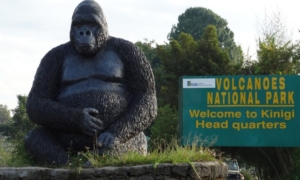
Each day before dawn, small groups of trekkers, led by experienced guides and trackers, gather at the park headquarters. After a safety briefing and permit verification, teams set off into the forest, sometimes through steep slopes, dense undergrowth, or slippery trails. Treks can last anywhere from 30 minutes to 6 hours, depending on where the gorilla families are located that day.
Trackers, who radio updates from the forest, use signs like fresh footprints, broken stems, and lingering smells to pinpoint gorilla movements. Porters are available to help carry luggage or assist trekkers on challenging terrain, a welcome support in the mountainous environment.
Despite the physical challenge, anticipation builds with every step. The forest feels alive: birds call from the canopy, insects hum, and sunlight filters through leaves in shifting patterns. Then, suddenly, through a break in the foliage, you see them, gorillas moving quietly but deliberately, barely noticing your presence.
The Magical Encounter
Once the gorillas are found, visitors are allowed one precious hour with the group. This time is strictly regulated to minimize stress on the animals, but even so, 60 minutes can feel like a lifetime of wonder.
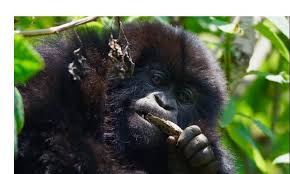
Imagine watching a silverback sitting beneath a towering tree, gently tearing vegetation with powerful hands, while curious juveniles chase each other through ferns. Perhaps a young gorilla will approach within meters of you, inspecting your boots or sniffing your trekking pole, its dark, expressive eyes radiating innocent curiosity.
There are moments of sheer tenderness too, a mother cradling her infant close, comforting it with soft grunts and gentle touches. The depth of family bonds is unmistakable, as is the gorillas’ capacity for emotion and connection.
Visitors are reminded constantly: no flash photography, stay at least 7 meters (23 feet) away, and respect the gorillas’ space. Guides will gently enforce these rules, ensuring an ethical and safe encounter for both humans and primates.
Beyond the Trek: Cultural Connections
The experience of Volcanoes National Park is not limited to the forest alone. Surrounding the park are vibrant communities, Hutu, Tutsi, and Batwa peoples, whose lives are intertwined with the land and its wildlife.
The Batwa, Indigenous forest dwellers historically dependent on the forest for sustenance and culture, were displaced when national parks were established in the 1950s and ’60s. In recent years, community programs have worked to restore Batwa heritage through cultural centers, music and dance performances, and participatory tourism initiatives that honor their deep knowledge of the forest.
Rwanda’s commitment to community involvement has helped channel tourism benefits back into local schools, health clinics, road improvements, and micro-enterprises. This holistic approach recognizes that conservation thrives not in isolation but through shared prosperity and respect between people and nature.
Visitors can engage with community projects, learn traditional crafts, and participate in village walks that offer insights into local farming, customs, and daily life. These experiences enrich the journey, reminding travelers that the story of gorillas is also the story of the people who live alongside them.
Practical Tips for Travelers
If you’re planning a gorilla trekking adventure in Volcanoes National Park, here are practical tips to make your journey safe, respectful, and unforgettable:
- Book Permits Early
Gorilla trekking permits are limited and highly sought after. Book well in advance, especially during peak seasons (June–September and December–February), to secure your spot. Permits are issued by the Rwanda Development Board and include the guided trek.
- Physical Preparedness
Trekking in steep, muddy terrain requires good physical fitness. Lightweight trekking poles, sturdy hiking boots, long-sleeved shirts, and rain gear are essential. Porters are available to support hikers who need assistance.
- Health Precautions
Mountain gorillas are susceptible to human illnesses. Visitors experiencing any sickness (e.g., coughs, fever) should postpone their trek. Maintain good hygiene, avoid touching surfaces unnecessarily, and follow your guide’s health safety advice.
- Respect Wildlife Protocols
Keep your distance, avoid direct eye contact that can be perceived as a threat, and follow the guide’s instructions. Do not offer food or items to gorillas.
- Support Local Initiatives
Engage with community-run projects that employ local people and sustain cultural heritage. Choose locally owned lodges, restaurants, and guides to ensure your visit benefits the broader community.
Conservation Challenges Ahead
Despite remarkable gains in gorilla numbers, threats persist:
Habitat Encroachment
As human populations grow, land for agriculture and settlement pushes closer to forest boundaries, fragmenting gorilla habitat. Persistent efforts are needed to protect and connect forest corridors so that gorilla troops can move freely and safely.
Disease Risk
Disease transmission from humans to gorillas remains a serious concern. Respiratory infections are particularly dangerous, prompting strict guidelines for visitor health and sanitation. Continued research and veterinary protocols are vital.
Climate Change
Shifts in rainfall patterns and temperature can alter vegetation and water sources. Gorillas, adapted to a narrow ecological range, may struggle with rapid environmental changes. Climate resilience strategies must become part of long-term conservation planning.
A Legacy of Hope
The tale of mountain gorillas in Volcanoes National Park is one of resilience, compassion, and partnership. From the dedication of Dian Fossey, whose legacy still echoes through the bamboo groves, to the committed park rangers who patrol the forests today, this journey reflects the potential of human goodwill.
For visitors, a trek is more than a checklist item, it’s a moment of communion with a species that shares our planet and much of our genetic heritage. It teaches humility, wonder, and respect for life in all its forms.
And for the world, the gorillas of Volcanoes National Park stand as a beacon of what is possible when communities, governments, and global citizens work together to protect what is precious.

Final Thoughts
There are places in the world that change us simply by existing. Volcanoes National Park and its mountain gorillas are among them. In the silent gaze of a silverback, in the playful tumble of young gorillas at dawn, in the mist-shrouded trails that lead you into forgotten forests , you find a story of survival, hope, and connection.
When the trek ends and you return to the rhythm of everyday life, the memory remains etched deep within you. It whispers of forests where giants roam, gentle, watchful, and enduring, and invites you to become not just a traveler, but a guardian of the wild.


Leave a Reply
Want to join the discussion?Feel free to contribute!