
Akagera National Park

Rwanda’s Remarkable Comeback Story
In the far eastern corner of Rwanda, where rolling savannahs stretch toward the Tanzanian border and shimmering lakes reflect endless African skies, lies one of the continent’s most inspiring conservation success stories Akagera National Park. Often overshadowed by Rwanda’s famous mountain gorillas of Volcanoes National Park, Akagera tells a different but equally powerful story: one of resilience, restoration, and revival.
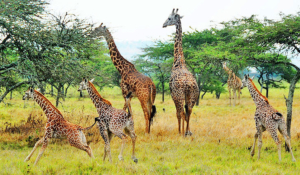
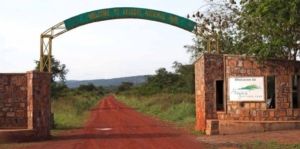
Akagera National Park is Rwanda’s only savannah national park and the largest protected area in the country, covering approximately 1,122 square kilometers. Characterized by open plains, woodlands, wetlands, and a chain of scenic lakes, Akagera offers a classic African safari experience complete with lions, elephants, rhinos, giraffes, zebras, and a rich diversity of birdlife.
Yet Akagera’s true magic lies not only in its wildlife, but in its journey. From near destruction in the late 20th century to its rebirth as a thriving Big Five destination, Akagera stands as a global example of how conservation, government commitment, and community partnership can restore nature against overwhelming odds.
A Landscape Shaped by Water and Savannah
Akagera National Park takes its name from the Akagera River, which flows along its eastern boundary, feeding a series of interconnected lakes including Lake Ihema, Lake Rwanyakazinga, Lake Shakani, and several others. This extensive wetland system creates one of the most ecologically diverse landscapes in East Africa.
Unlike Rwanda’s mountainous western regions, Akagera is predominantly low-lying, with gently undulating savannahs, acacia woodlands, papyrus swamps, and open grasslands. The park’s altitude ranges between 1,280 and 1,825 meters, creating a warm climate ideal for grazing animals and predators alike.
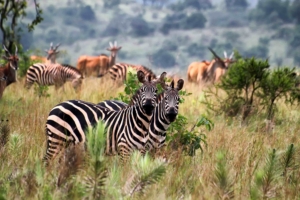
This varied terrain supports an extraordinary array of wildlife. Herds of plains game roam the open grasslands, while hippos and crocodiles dominate the lakes. Woodlands provide refuge for shy antelopes, and the wetlands attract hundreds of bird species, making Akagera a paradise for both safari enthusiasts and birdwatchers.
A Turbulent Past: From Abundance to Decline
Akagera was officially gazetted as a national park in 1934, during the Belgian colonial era, to protect wildlife populations that once thrived across eastern Rwanda. For decades, the park supported healthy populations of large mammals, including elephants, lions, leopards, and black rhinos.
However, the latter half of the 20th century brought devastating challenges. Following Rwanda’s tragic 1994 Genocide against the Tutsi, thousands of returning refugees settled in and around the park. Large portions of Akagera were cleared for agriculture and livestock grazing, leading to severe habitat loss.
By the late 1990s, nearly two-thirds of the park’s original area had been lost, wildlife populations had collapsed, and key species such as lions and rhinos were completely wiped out. Poaching, human-wildlife conflict, and lack of resources pushed Akagera to the brink of ecological collapse.
At one point, the future of the park looked uncertain. Many conservationists feared Akagera would disappear entirely.
The Turning Point: A Conservation Partnership
Akagera’s revival began in 2010, when the Rwandan government, through the Rwanda Development Board (RDB), entered into a landmark public-private partnership with African Parks, a non-profit conservation organization known for restoring and managing protected areas across Africa.
This partnership marked a turning point. With professional park management, international funding, and strong government backing, African Parks implemented a comprehensive restoration strategy focused on:
- Law enforcement and anti-poaching
- Infrastructure development
- Wildlife reintroductions
- Community engagement
- Sustainable tourism development
One of the first major steps was the construction of a 120-kilometer electric perimeter fence, which dramatically reduced human-wildlife conflict and illegal grazing. This allowed wildlife populations to recover safely within the park’s boundaries.
Anti-poaching units were trained and equipped, ranger patrols intensified, and modern monitoring systems were introduced. Slowly but steadily, Akagera began to heal.
The Return of the Big Five
Perhaps the most dramatic chapter in Akagera’s recovery has been the reintroduction of iconic species that had long vanished from the park.
Lions Return
In 2015, seven lions were translocated from South Africa and released into Akagera. This historic reintroduction restored the park’s apex predator after nearly two decades of absence. In subsequent years, additional lions were introduced to strengthen genetic diversity.
Today, Akagera supports a growing lion population, and sightings have become increasingly common during game drives a powerful symbol of the park’s ecological restoration.
Rhinos Reintroduced
In 2017, 18 eastern black rhinos were introduced from South Africa, followed by an additional five in 2019. This bold move returned one of Africa’s most endangered species to Rwanda after more than 10 years of absence.
With intensive protection and monitoring, Akagera has become a secure sanctuary for rhinos, further completing the park’s transformation into a Big Five destination.
Thriving Herbivores and Predators
Alongside lions and rhinos, Akagera is home to:
- African elephants
- Cape buffalo
- Leopards
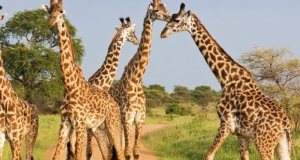
- Masai giraffes
- Plains zebras
- Topi, impala, waterbuck, eland, and bushbuck
The balance between predators and prey has gradually been restored, creating a functioning ecosystem that continues to evolve naturally.
A Safari Experience Like No Other
Akagera offers a distinctly different safari experience from Rwanda’s western parks. Here, visitors encounter wide-open landscapes, dramatic sunsets, and classic game viewing reminiscent of East Africa’s great savannah reserves yet without the crowds.
Game Drives
Game drives in Akagera are conducted on well-maintained tracks that traverse grasslands, woodlands, and lake shores. Early morning and late afternoon drives offer the best chances to spot predators, while midday drives showcase grazing herbivores and birdlife.
Because Akagera is less congested than many famous safari parks, sightings often feel intimate and unhurried. It’s not uncommon to enjoy wildlife encounters without another vehicle in sight.
Boat Safaris on Lake Ihema
One of Akagera’s highlights is the boat safari on Lake Ihema, Rwanda’s second-largest lake. Gliding silently across the water, visitors encounter pods of hippos, basking crocodiles, and countless water birds including African fish eagles, kingfishers, herons, and jacanas.
Boat safaris offer a unique perspective on the park’s ecosystem and are especially rewarding for photographers and bird enthusiasts.
Walking Safaris and Night Drives
Akagera also offers guided walking safaris, allowing visitors to explore the bush on foot with armed rangers a thrilling way to connect with nature and learn about tracks, plants, and smaller wildlife.
Night drives, conducted after sunset, reveal nocturnal species such as bush babies, genets, hyenas, and elusive leopards, adding another dimension to the safari experience.
A Birder’s Paradise
With over 520 recorded bird species, Akagera National Park is one of the finest birding destinations in East Africa. The park’s wetlands, savannahs, and woodlands support both resident and migratory birds.
Notable species include:
- Shoebill stork (rare but possible)
- Papyrus gonolek
- African fish eagle
- Saddle-billed stork
- Grey crowned crane (Rwanda’s national bird)
- Martial eagle
Whether you are a seasoned birder or a casual nature lover, Akagera’s birdlife adds color, sound, and movement to every safari.
Community Involvement and Shared Benefits
A cornerstone of Akagera’s success has been the involvement of surrounding communities. Conservation efforts were designed not to exclude people, but to integrate their needs and livelihoods into the park’s future.
Local communities benefit through:
- Employment opportunities (rangers, guides, lodge staff)
- Revenue sharing from tourism
- Support for schools, health centers, and clean water projects
- Livestock compensation schemes to reduce conflict
By linking conservation success directly to community well-being, Akagera has fostered local support and reduced illegal activities. The park is now seen not as a threat, but as a valuable asset.
Sustainable Tourism and Accommodation
Akagera’s tourism model emphasizes low-impact, high-value experiences. Visitor numbers are managed carefully to protect wildlife and maintain exclusivity.
Accommodation options range from luxury lodges overlooking lakes to comfortable mid-range camps and budget-friendly camping facilities. All lodges operate with sustainability principles, minimizing environmental impact while supporting local economies.
This approach ensures that tourism revenue directly funds conservation, creating a positive cycle that benefits both wildlife and people.
Best Time to Visit Akagera National Park
Akagera can be visited year-round, but the best wildlife viewing is generally during the dry seasons:
- June to September
- December to February
During these months, animals congregate around water sources, and roads are easier to navigate. The wet seasons, however, bring lush landscapes and excellent birding opportunities, particularly for migratory species.
Why Akagera Matters
Akagera National Park is more than a safari destination it is a symbol of hope. It proves that even landscapes severely damaged by conflict and human pressure can be restored with vision, commitment, and collaboration.
In a world where wildlife habitats are shrinking and biodiversity loss accelerates, Akagera stands as a reminder that conservation works when it is inclusive, science-based, and community-driven.
For Rwanda, Akagera diversifies the country’s tourism offerings beyond gorillas, strengthening the national economy while protecting natural heritage. For visitors, it offers an authentic, uncrowded, and deeply rewarding safari experience.
Final Reflections
Standing on a hill at sunset in Akagera National Park, watching giraffes move gracefully across the plains as elephants silhouette against a burning sky, it’s hard to imagine that this place was once on the brink of disappearance.
Today, Akagera is alive again, with roaring lions, splashing hippos, soaring birds, and the quiet determination of rangers who guard its future. It is a landscape reborn, a conservation triumph written not in theory but in thriving ecosystems and shared success.
To visit Akagera is to witness nature’s resilience firsthand. To support it is to invest in a future where wildlife and people flourish together. And to remember its story is to believe that even in the face of immense loss, recovery is possible.


Leave a Reply
Want to join the discussion?Feel free to contribute!